The growing use of muscle-enhancing steroids, particularly anabolic-androgenic steroids (AAS), has raised significant concerns about their potential adverse effects on cardiovascular health, with heart attacks being a key risk. This study offers an in-depth exploration of the relationship between muscle-enhancing drugs and heart attacks. It examines the physiological processes by which steroids may lead to cardiovascular complications, such as hypertension, dyslipidemia, atherosclerosis, and thrombosis. The research also evaluates the epidemiological data that links steroid use to a higher likelihood of heart attacks and other cardiovascular incidents. In addition, the study addresses the ethical issues surrounding steroid use in sports and fitness, as well as the regulatory measures in place to combat abuse. The importance of interdisciplinary collaboration and evidence-driven strategies to tackle this public health challenge is emphasized. Ultimately, the study advocates increased awareness, more extensive research, and stronger preventive efforts to reduce the cardiovascular risks associated with muscle-enhancing steroids, while encouraging safer alternatives for fitness enhancement.
The pursuit of physical strength has long been a fundamental aspect of human culture. From the early weightlifting contests in ancient Greece to the current obsession with fitness and bodybuilding, the desire for a more substantial and more defined body has been a constant theme. However, this aspiration has a more controversial side, particularly with the rise in the use of muscle-enhancing steroids (MES) in the modern fitness world.
This paper offers a thorough evaluation of the relationship between muscle-enhancing drugs and heart attacks. It investigates the biological processes by which steroids may contribute to cardiovascular complications, such as hypertension (elevated blood pressure), dyslipidemia (irregular cholesterol levels), atherosclerosis (plaque buildup in arteries), and thrombosis (blood clotting). Additionally, this study examines the epidemiological data linking steroid use to an increased risk of heart attacks and other cardiovascular incidents.
Muscle-enhancing steroids, also known as anabolic-androgenic steroids (AAS), are synthetic substances that mimic testosterone, the primary male hormone. These synthetic versions are designed to accelerate muscle growth and development. While testosterone is naturally present in both men and women, its levels are much higher in MES, which can lead to various physiological changes. Despite the well-documented health risks associated with these drugs, their use has surged in recent years [1]. This is particularly true among athletes and bodybuilders seeking an edge in competition or a desired physique.
The widespread availability of steroids through online channels and the societal pressure to conform to unattainable body ideals have contributed to this growing trend. Yet the significant health risks associated with MES are often ignored in favor of its aesthetic benefits. Increasing evidence from research underscores the link between steroid use and adverse cardiovascular outcomes [2], including elevated blood pressure, unfavorable lipid profiles, and a higher likelihood of blood clot formation. Over time, these effects can contribute to severe health issues such as heart disease, atherosclerosis, and an increased risk of heart attacks (myocardial infarctions) (Table 1).
Table 1. The link between muscle-enhancing steroids and heart attack risk
Factor | How MES may increase risk | Potential consequences |
Blood pressure | MES can elevate blood pressure, creating additional strain on the heart. | Increased likelihood of heart attack, stroke, and other cardiovascular issues. |
Cholesterol levels | Some MES can alter cholesterol levels, raising “bad” LDL cholesterol and lowering “good” HDL cholesterol. | Imbalance promotes plaque accumulation in arteries, narrowing them and increasing the risk of a heart attack. |
Heart muscle growth | MES may cause abnormal enlargement of the heart muscle (cardiomegaly). | The thickened muscle reduces the heart’s ability to pump blood efficiently, leading to heart failure and potentially a heart attack. |
Blood clotting | Specific MES can raise the risk of blood clot formation. | Clots can block arteries, leading to a heart attack. |
Inflammation | Steroid use can trigger inflammation throughout the body, including within blood vessels. | Chronic inflammation damages blood vessels and accelerates plaque buildup, heightening the risk of a heart attack. |
A complex web of motivations drives the rise in steroid use, each contributing to the growing appeal of these substances. Athletes may resort to steroids to gain a performance edge in high-stakes competitions, while bodybuilders often use them to attain an idealized physique, seeking approval from society. These motivations highlight how the intense desire for success can cloud judgment and obscure the risks to health.
The influence of social media has amplified the problem, with countless images of enhanced bodies circulating across platforms. These idealized representations of physical appearance exert a powerful influence, particularly on young adults who constantly compare themselves to others. This exposure can fuel feelings of inadequacy and encourage steroid use as a quick solution to meet these unrealistic standards.
Steroid use in sports also raises significant ethical concerns. It gives users an unfair advantage, compromising the fairness of competition and putting the health of non-users at risk [3]. The relentless pursuit of success at all costs often leads athletes to cross ethical lines, pushing them toward steroid use as a means of staying competitive. As steroid use continues to rise, public health is at risk. The misuse of these substances can lead to cardiovascular stress, liver damage, and psychological issues. Additionally, the healthcare system may experience increased pressure from individuals seeking treatment for the long-term effects of steroid abuse.
Addressing the issue of steroid use requires a multifaceted approach. Raising awareness about the dangers of steroids, promoting healthy training methods, and educating athletes, bodybuilders, and vulnerable individuals is crucial. Regulatory agencies must take an active role in controlling the production and distribution of steroids to limit their availability. Stronger enforcement of anti-doping policies is necessary to preserve the integrity of competition and discourage athletes from resorting to performance-enhancing drugs. While the pursuit of physical perfection is tempting, the focus should be on health and well-being. The harmful long-term effects of muscle-enhancing steroids are clear, and it is vital to promote safer alternatives. By increasing awareness of the risks, advocating for healthier approaches, and strengthening regulations, we can foster a culture that values overall wellness over fleeting physical ideals. This introduction serves as a starting point for a deeper examination of the connection between steroids and cardiovascular health, encouraging greater awareness of this pressing issue (Figure 1).
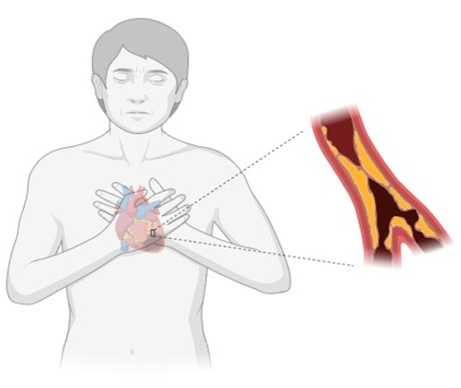
Figure 1. Cardiac stroke due to muscle-enhancing drugs.
Anabolic steroids are synthetic substances designed to mimic testosterone, the primary male sex hormone. Naturally produced by the body, testosterone contributes to muscle development, bone growth, and the development of male characteristics. Anabolic steroids promote anabolism (the growth of cellular tissue) by enhancing protein synthesis, particularly in muscle cells.
These steroids were first developed in the 1930s for medical purposes, such as treating delayed puberty, muscle-wasting diseases, and hormonal imbalances. Over time, anabolic steroids became popular among athletes and bodybuilders for their ability to enhance physical performance and facilitate muscle growth. Unfortunately, these substances are often used in doses far higher than medically recommended, particularly within the sports and fitness communities. Users typically follow “cycles” of steroid use, alternating periods of use and abstinence to reduce side effects and maintain effectiveness [4]. The practice of “stacking” involves combining different steroids to maximize muscle gain, strength, and performance.
Despite the benefits, anabolic steroids come with significant risks. In the short term, they can cause acne, hair loss, liver damage, and cardiovascular issues, including elevated blood pressure and poor cholesterol levels. Long-term use of these drugs can lead to severe health problems, including heart disease, liver cancer, infertility, and psychological conditions such as depression and aggression.
As a result of these health risks, most sports organizations ban anabolic steroid use, as it undermines fair competition and can lead to dangerous health consequences. Athletes who are caught using steroids may face suspension, disqualification, or loss of medals. Nevertheless, these substances remain widely used in competitive sports, bodybuilding, and fitness routines despite their risks. To address this issue, it is essential to educate people about the dangers of steroid use, enforce anti-doping policies, and promote natural, health-focused fitness methods. This approach helps shift the focus away from shortcuts to fitness and towards sustainable, long-term well-being [5].
Androgenic steroids, or androgens, are a group of hormones that are responsible for the development and maintenance of male physical traits. Testosterone, the primary androgen, is critical for several bodily functions, including the development of reproductive organs, muscle mass, bone density, and body fat distribution. Along with naturally occurring testosterone, synthetic versions—known as androgenic steroids—are widely used. These synthetic hormones replicate testosterone’s effects, often enhancing its muscle-building (anabolic) properties.
Medically, androgenic steroids are prescribed to treat conditions like low testosterone levels (hypogonadism), delayed puberty, and certain breast cancers in women. However, they are commonly abused by athletes and bodybuilders to increase muscle size, strength, and overall performance [6]. Users often take these steroids through oral doses or injections, commonly combining various steroids (stacking) and alternating periods of use and rest (cycling) to maximize effectiveness while minimizing side effects.
While androgenic steroids can lead to significant muscle gains, they come with numerous potential health risks:
Androgenic effects: High levels of androgens can result in the development of male secondary sexual characteristics in both men and women, such as facial hair growth, deepened voice, and clitoral enlargement in females.
Cardiovascular impact: Steroid use can significantly impact heart health by raising blood pressure, increasing bad cholesterol (LDL), and increasing the risk of blood clot formation, leading to heart attacks or strokes.
Liver damage: Prolonged use of androgenic steroids can cause liver damage, yellowing of the skin (jaundice), and potentially liver cancer. These steroids can also disrupt the body’s natural hormone regulation, leading to issues like infertility and diminished sexual drive.
Mental health effects: Steroid abuse may cause mood swings, aggression, and mental health issues, such as depression and anxiety.
Aside from the health risks, androgenic steroid use is banned in most sports. Athletes who are caught using steroids may face severe penalties, including suspension, disqualification, and forfeiture of titles or medals. Efforts to curb the abuse of androgenic steroids include educating the public about their dangers, enforcing anti-doping policies, and supporting athletes in adopting safer, natural training methods.
Steroids are widely known for their ability to promote muscle growth, mainly through their anabolic effects on the body’s tissues. Anabolic steroids are synthetic forms of testosterone, the hormone that naturally stimulates muscle growth and development. Here’s a breakdown of how they work:
Protein synthesis: Steroids stimulate protein synthesis, which is the process by which muscle cells produce new proteins. This helps repair and grow muscle tissue faster after exercise or injury [7].
Nitrogen retention: One of the key effects of steroids is their ability to enhance nitrogen retention in muscles. Nitrogen is a crucial part of amino acids, which form proteins. When muscles retain more nitrogen, they enter an anabolic state, resulting in more rapid muscle growth.
Muscle satellite cells: Steroids can stimulate muscle satellite cells, which are essential for repairing and regenerating muscle tissue [8]. This leads to enhanced muscle recovery and growth over time.
Faster recovery: Anabolic steroids help muscles recover more quickly from intense workouts. By speeding up recovery, athletes and bodybuilders can train harder and more frequently, leading to faster muscle growth.
Enhanced endurance: Certain steroids, like erythropoietin (EPO), increase red blood cell production. Red blood cells transport oxygen to muscles during physical activity. More red blood cells mean better oxygen supply to muscles, which can improve endurance and delay fatigue during exercise.
Anti-catabolic effects: Steroids help prevent the breakdown of muscle tissue during periods of intense exercise or calorie deficit. By suppressing muscle breakdown, steroids help the body maintain lean muscle mass, which supports further muscle growth [9].
While steroids effectively boost muscle growth, they are associated with significant risks. These include hormone imbalances, cardiovascular issues, liver damage, and psychological side effects. It is important to note that the use of steroids without medical supervision is illegal in many sports and competitions. Therefore, athletes and fitness enthusiasts should carefully consider the risks, legal ramifications, and healthier alternatives to achieve muscle growth [10].
Steroids, especially anabolic-androgenic steroids (AAS), have a profound effect on the body’s hormonal regulation. These substances interact with the endocrine system, which maintains hormonal balance in the body. Below is a breakdown of how steroids alter hormone levels:
Mimicking testosterone: Anabolic steroids simulate the actions of testosterone, the primary male sex hormone. Upon entering the body, steroids bind to androgen receptors in various organs, particularly muscle cells. This activation triggers anabolic processes such as protein synthesis and muscle growth [11].
Interference with the endocrine feedback loop: The endocrine system operates through a complex feedback mechanism to ensure hormonal equilibrium. When steroids are introduced externally, they disrupt this natural regulation. By artificially elevating testosterone levels, steroids cause the body to reduce its own production of testosterone, leading to hormonal disruptions. Extended use of steroids can inhibit the hypothalamic-pituitary-gonadal (HPG) axis, which controls the production of sex hormones like testosterone [12]. This adverse feedback effect reduces the hypothalamus’s secretion of gonadotropin-releasing hormone (GnRH), leading to lower levels of luteinizing hormone (LH) and follicle-stimulating hormone (FSH), potentially causing testicular shrinkage and reduced testosterone production.
Conversion to estrogen: Some anabolic steroids are converted into estrogen through an enzyme called aromatase. Elevated estrogen levels can result in undesirable side effects such as water retention, gynecomastia (the development of breast tissue in males), and mood swings [13]. To counteract these estrogenic effects, some steroid users turn to aromatase inhibitors or selective estrogen receptor modulators (SERMs).
Androgenic effects: In addition to their anabolic properties, steroids also exhibit androgenic effects, which enhance male characteristics. These effects can lead to increased oil production in the skin (leading to acne), faster growth of facial and body hair, deepening of the voice, and, in women, enlargement of the clitoris. Both men and women may experience male-pattern baldness due to the androgenic action of steroids [14].
Hormonal imbalances: Steroid use can cause significant disruptions in the body’s hormonal balance, leading to a range of physiological issues. These imbalances might manifest as mood swings, irritability, changes in sexual drive, and problems with reproductive health.
While anabolic steroids can help stimulate muscle growth and enhance performance, they come with a range of risks and potential side effects. It is critical for individuals considering steroid use to understand these risks and use such substances only under the guidance of a medical professional. Additionally, using steroids without a prescription or for non-medical reasons is illegal and prohibited in many places.
Steroids have valid therapeutic uses, such as for treating hormonal deficiencies, delayed puberty, and certain diseases like muscle-wasting conditions. However, their misuse in sports and bodybuilding for performance enhancement raises ethical, health, and legal concerns. While some individuals rely on steroids for legitimate medical purposes, others seek them for illicit performance enhancement in athletic or bodybuilding settings, disregarding the health risks involved.
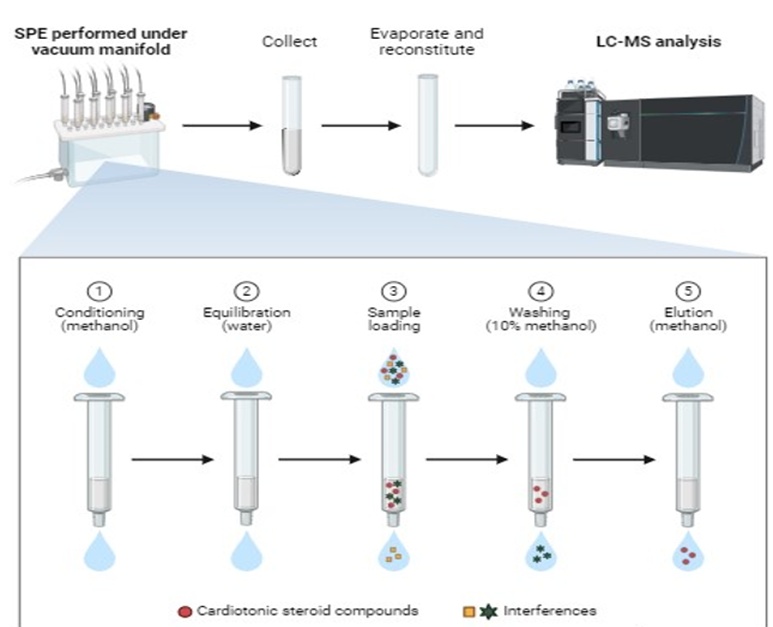
Figure 2. Performance-enhancing drugs.
Steroids have diverse applications in both medical treatment and athletics, with stark contrasts between their legitimate use in healthcare and their misuse in sports. Figure 2 illustrates their production process, underscoring these differences in application.
In medical settings, steroids are crucial for treating conditions like hormonal deficiencies, delayed puberty, and muscular disorders such as muscular dystrophy. Under the careful supervision of healthcare professionals, steroids are administered to restore hormonal balance or promote tissue regeneration [15]. When used in this context, they can significantly improve patients’ well-being and reduce the effects of specific health conditions.
In contrast, athletes and bodybuilders often misuse steroids to boost performance, accelerate muscle growth, and gain an unfair competitive advantage [16]. This improper use is linked to significant health risks, including cardiovascular issues, liver damage, hormonal disruptions, and psychological complications. Moreover, steroid use for performance enhancement is banned by most sports organizations as it compromises fair competition.
It is essential to differentiate between the regulated, therapeutic use of steroids in medicine and their abuse in athletic environments. While they have valid medical purposes, their misuse in sports and bodybuilding brings about serious health complications and ethical concerns [17]. Efforts to combat steroid abuse include educating individuals about the risks, enforcing anti-doping laws, and promoting natural and drug-free alternatives for achieving fitness goals.
The abuse of anabolic steroids (AAS) has been linked to various cardiovascular problems, posing serious risks to heart health. Some of the major cardiovascular consequences of AAS use include:
Hypertension: AAS use has been shown to cause high blood pressure, a primary risk factor for heart disease. Steroids contribute to hypertension by increasing sympathetic nervous system activity, leading to salt and water retention and constriction of blood vessels. Over time, elevated blood pressure can damage the heart and blood vessels, raising the likelihood of heart attacks, strokes, and kidney issues [18].
Dyslipidemia: AAS also disrupts lipid metabolism, leading to dangerous changes in cholesterol levels. Studies indicate that AAS can increase low-density lipoprotein (LDL) or “bad” cholesterol while reducing high-density lipoprotein (HDL) or “good” cholesterol. This imbalance, known as dyslipidemia, accelerates the development of atherosclerosis—the buildup of fatty deposits in the arterial walls, which restricts blood flow and can lead to severe cardiovascular problems [19].
Blood clot risk: AAS use increases the risk of blood clots. Steroids can alter platelet function, coagulation factors, and fibrinolysis, creating a prothrombotic state that increases susceptibility to clot-related events such as deep vein thrombosis (DVT) and pulmonary embolism (PE). Blood clots can block blood flow, leading to organ damage, tissue death, or even death.
These risks highlight the importance of careful consideration when using AAS, especially for individuals with preexisting cardiovascular conditions or risk factors. Healthcare providers should thoroughly evaluate the potential cardiovascular impacts of AAS use, monitoring for hypertension, dyslipidemia, and thrombotic complications. Educating the public, athletes, and bodybuilders on these cardiovascular dangers is crucial to ensuring better-informed choices and preserving heart health.

Figure 3. Drug-affected heart.
Chronic use of anabolic steroids (AAS) can severely impact the cardiovascular system, leading to conditions like cardiomyopathy and atherosclerosis. Figure 3 illustrates the heart’s changes under the influence of steroids. Let’s delve into these potential long-term consequences:
Cardiomyopathy, a disorder that weakens the heart muscle, has been linked to prolonged steroid use. It manifests in two major forms:
Dilated cardiomyopathy: The heart’s chambers become enlarged, weakening its pumping ability.
Hypertrophic cardiomyopathy: The heart muscle thickens abnormally, which affects its function.
Both types of cardiomyopathy can lead to symptoms such as breathlessness, fatigue, and irregular heartbeats. If not managed, these conditions can escalate into heart failure, requiring intensive medical care.
Atherosclerosis, a condition where fatty deposits accumulate in arteries, has been connected to extended steroid use. This buildup narrows and stiffens the arteries, restricting blood flow. Steroids alter lipid metabolism by increasing “bad” LDL cholesterol and reducing “good” HDL cholesterol, thereby accelerating the formation of arterial plaque. These plaques restrict blood flow to crucial organs, increasing the risk of heart attack and stroke [20].
The long-term cardiovascular effects of AAS use are profound and can lead to permanent health damage. Healthcare providers must closely monitor individuals using AAS and educate them about these risks. Public education campaigns should focus on preventing steroid abuse and promoting safer alternatives for fitness and performance enhancement.
Several studies have drawn troubling connections between steroid use and heart disease. Here are key findings from this research:
Studies on steroid and cardiovascular health: Numerous epidemiological studies have revealed that long-term steroid use is linked to cardiovascular problems like high blood pressure, abnormal cholesterol levels, and atherosclerosis. These conditions collectively raise the risk of heart attacks and strokes.
Impact on blood pressure: Steroid use has been shown to elevate blood pressure by increasing sodium and water retention, stimulating the sympathetic nervous system, and altering blood vessel function. This increase in blood pressure poses a major risk for cardiovascular diseases, leading to complications like strokes, heart failure, and kidney damage [21].
Cholesterol imbalance: Steroids disrupt normal cholesterol levels, increasing LDL (bad cholesterol) and decreasing HDL (good cholesterol). This imbalance promotes the development of atherosclerosis, in which fatty deposits accumulate in artery walls, obstructing blood flow and increasing the risk of heart attacks and strokes.
Increased clotting risk: Steroids can also enhance the tendency for blood clot formation by altering platelet function and clotting mechanisms. This makes individuals more prone to developing thrombosis, which can result in dangerous conditions like deep vein thrombosis (DVT) or pulmonary embolism (PE) [22].
Heart structural changes: Long-term steroid use has been linked to structural changes in the heart, such as left ventricular hypertrophy (enlargement of the heart’s pumping chamber) and myocardial fibrosis (hardening of heart tissue). These changes can increase the risk of arrhythmias (irregular heartbeats), heart failure, and even sudden cardiac death.
Research consistently shows that steroid use has detrimental effects on cardiovascular health. Anyone considering steroid use should be fully informed about these risks and consult a healthcare provider before starting any steroid regimen. Efforts to raise awareness among athletes, healthcare providers, and the general public about the dangers of steroid use are critical in promoting better decision-making and preventing harm.
Scientific studies have increasingly highlighted the disturbing link between anabolic-androgenic steroid (AAS) use and a significantly higher risk of heart attacks. Understanding the mechanisms behind these heart attacks is essential to grasping the full scope of the health risks associated with steroid abuse. Recent research has provided insights into the processes that increase the likelihood of heart attacks in steroid users, shedding light on key findings.
Numerous epidemiological studies have confirmed that AAS use is strongly correlated with the development of cardiovascular issues, including heart attacks. These studies consistently show that individuals who use steroids are more prone to conditions such as high blood pressure (hypertension), abnormal cholesterol levels (dyslipidemia), and atherosclerosis, all of which increase the likelihood of heart attacks and other cardiovascular diseases [23].
The pathophysiology behind steroid-induced heart attacks is complex, involving several factors:
Hypertension: Steroids elevate blood pressure by causing salt and water retention, as well as constricting blood vessels, both of which contribute to hypertension. High blood pressure places additional strain on the heart and can lead to a higher likelihood of heart attacks.
Dyslipidemia: Steroids disrupt lipid metabolism, resulting in elevated levels of LDL (“bad” cholesterol) and reduced levels of HDL (“good” cholesterol). This imbalance promotes the development of atherosclerosis, in which fatty plaques accumulate in the arteries, narrowing blood vessels and restricting blood flow.
Prothrombotic condition: Steroid use also affects platelet function and clotting factors, increasing the likelihood of clot formation. This leads to a prothrombotic state, making the blood more prone to clotting. Blood clots that obstruct vital arteries can result in heart attacks or strokes [24].
Recent large-scale epidemiological studies have provided statistical evidence of the heightened risk of heart attacks among steroid users. While the exact rates vary based on factors like steroid dose and duration, the evidence consistently shows that steroid users are significantly more likely to experience heart attacks compared to non-users [25]. This increased prevalence underscores the importance of addressing the cardiovascular risks associated with steroid use, especially among athletes and bodybuilders, where the misuse of steroids is prevalent.
The scientific consensus strongly supports the link between steroid use and an increased risk of heart attacks. Understanding the underlying mechanisms, such as hypertension, dyslipidemia, and platelet dysfunction, is crucial for recognizing the dangers of steroid use. Moreover, the statistical data highlight the importance of public health awareness and proactive measures to prevent steroid-induced cardiovascular events [26]. Healthcare providers, athletes, and the public at large must be educated about these risks to help mitigate the risk of heart attack and promote heart health.
Several factors contribute to an individual’s susceptibility to steroid-induced heart attacks. These factors include steroid dosage, duration of use, genetic predispositions, and the use of other substances like stimulants. Let’s explore how these factors play a role in the likelihood of cardiovascular complications:
One of the most significant determinants of the risk of heart problems associated with steroids is the dosage and length of use. Higher doses of AAS have been directly linked to an increased risk of cardiovascular issues, including hypertension, dyslipidemia, and atherosclerosis [27]. Long-term use of high-dose steroids escalates these risks, as prolonged exposure to steroids causes lasting alterations to cholesterol metabolism, blood vessels, and heart function. Individuals who use steroids at high doses or for extended periods are much more likely to suffer heart attacks compared to those using lower doses or for shorter periods.
Understanding the influence of these factors is critical in assessing the cardiovascular risks posed by steroid use. By focusing on appropriate dosage and usage duration, individuals can minimize the risks associated with steroids, though complete prevention of heart-related issues may require avoiding steroids altogether.
Genetic factors play a significant role in an individual’s susceptibility to steroid-induced cardiovascular problems. Variations in genes that regulate key physiological processes—such as lipid metabolism, blood pressure control, and blood vessel function—can influence how the body responds to anabolic-androgenic steroids (AAS). People with certain genetic predispositions may be more likely to experience severe cardiovascular side effects from steroid use, increasing their risk of heart attacks and other heart-related issues.
For instance, individuals with genetic variants that affect lipid metabolism may be at higher risk of developing dyslipidemia (unfavorable cholesterol levels), which can exacerbate the risk of atherosclerosis. Similarly, genetic factors related to blood pressure regulation may increase susceptibility to hypertension when using steroids. Understanding these genetic predispositions can help identify high-risk individuals, allowing for more tailored risk assessments and personalized approaches to managing steroid-related cardiovascular risks.
The concurrent use of other substances, such as stimulants, with steroids can significantly heighten cardiovascular risks. Stimulants like cocaine, amphetamines, and ephedrine can increase heart rate, blood pressure, and strain on the heart. When combined with the circulatory effects of steroids, these substances create a compounded effect, amplifying the cardiovascular dangers. This “synergistic” effect increases the likelihood of adverse events such as arrhythmias (irregular heartbeats), myocardial infarctions (heart attacks), and sudden cardiac death [28].
The use of stimulants alongside steroids can be hazardous, as both substances place additional stress on the cardiovascular system. Individuals using steroids in combination with other drugs should take extra precautions to monitor their heart health, minimize the impact of different risk factors, and reduce the overall burden on their cardiovascular system to prevent life-threatening complications.
Certain groups are especially vulnerable to steroid-induced cardiovascular issues. These populations include young athletes and bodybuilders, as well as older individuals who use steroids to counteract the effects of aging. Let’s explore why these groups are at higher risk:
For young athletes and bodybuilders, the allure of improved performance and muscle mass can make steroids seem like an attractive option. However, this demographic is particularly susceptible to the cardiovascular risks associated with AAS. Young people may be more likely to use steroids in high doses or for prolonged periods, both of which increase the risk of developing heart-related problems, including hypertension, dyslipidemia, and atherosclerosis [29, 30].
Furthermore, young athletes may engage in other risky behaviors, such as stacking multiple anabolic steroids or using other performance-enhancing drugs, compounding the adverse effects on cardiovascular health. These combined risks make this group particularly prone to heart attacks and other cardiac complications.
Older individuals who turn to steroids in an attempt to counteract the natural aging process are also at a higher risk of steroid-induced cardiovascular issues. Many older adults use AAS to preserve muscle mass, strength, and overall vitality. However, age-related changes in the cardiovascular system, combined with preexisting conditions such as hypertension, diabetes, and atherosclerosis, make older adults particularly vulnerable to the adverse cardiovascular effects of steroids [31, 32].
For this age group, the combination of steroid use and preexisting cardiovascular risk factors significantly heightens the chances of experiencing heart attacks or other serious heart issues. Healthcare providers must exercise caution when considering steroid use for aging-related concerns in older adults.
Given the increased risk of cardiovascular complications in both young athletes and older adults, it is crucial to implement tailored preventative measures. Healthcare professionals should prioritize education, screening, and counseling for individuals considering or currently using steroids. This includes informing them of the cardiovascular risks and promoting alternative, safer methods of fitness enhancement and aging management.
Furthermore, supporting measures such as enforcing anti-doping regulations and advocating for evidence-based therapies for age-related health concerns can help mitigate the risks associated with steroid use. By protecting vulnerable populations, it is possible to reduce the incidence of steroid-induced heart attacks and preserve overall public health.
A proactive approach to recognizing and managing steroid-induced cardiovascular risks is essential for mitigating the dangers posed by AAS use. This involves early detection, thorough screening, and tailored risk management strategies.
Identifying individuals at high risk of developing steroid-related heart issues is a critical step in effective management. Populations such as young athletes, bodybuilders, and older adults using steroids should be closely monitored. Healthcare providers should conduct thorough cardiovascular assessments, including personal and family medical histories, blood pressure measurements, lipid profile analyses, and glucose level tests. Routine heart function tests such as electrocardiograms (ECGs) and echocardiograms can help detect early signs of cardiovascular disease and enable timely interventions [33].
Early detection of cardiovascular issues allows healthcare providers to implement appropriate management strategies, preventing the progression of heart-related problems and ensuring the overall well-being of those at risk.
To minimize the cardiovascular risks associated with steroid use, intervention methods should focus on modifiable risk factors and promote heart-healthy behaviors. A multifaceted approach is most effective in addressing these risks. Lifestyle modifications are central to reducing cardiovascular risks. Regular exercise, a balanced and healthy diet, smoking cessation, and stress management can all play crucial roles in improving heart health. These behaviors can help mitigate the adverse effects of steroids on the cardiovascular system and contribute to overall well-being.
In some instances, pharmacological therapies may be necessary to manage the cardiovascular consequences of steroid use. Statins can help control high cholesterol levels (dyslipidemia), reducing the risk of atherosclerosis and heart attacks. Antihypertensive medications can be used to control elevated blood pressure, which is often a side effect of steroid use. By addressing these modifiable risk factors, healthcare providers can help steroid users reduce the chances of developing severe cardiovascular complications [34-37].
Raising awareness among healthcare practitioners and steroid users is essential in preventing steroid-induced cardiovascular complications. Healthcare providers must be trained to recognize the signs and symptoms of steroid-related heart issues. This knowledge will enable them to utilize evidence-based screening and intervention strategies. On the other hand, steroid users must be educated about the potential cardiovascular risks of steroid use. This education should emphasize the importance of regular cardiovascular exams, following prescribed health regimens, and seeking medical attention at the first sign of concerning symptoms. Promoting awareness and knowledge will ensure that both healthcare providers and steroid users can effectively manage risks and improve cardiovascular health outcomes.
The use of steroids, particularly in sports and fitness, presents a range of ethical dilemmas and necessitates robust regulatory measures. The use of steroids in sports and fitness raises fundamental ethical questions about fairness, integrity, and the health of athletes. Steroid use can provide users with an unfair advantage, undermining the principles of fair play and equal opportunity that sports are built on. Additionally, the significant health risks associated with steroid use raise ethical concerns about athletes feeling pressured to use steroids to compete effectively. Balancing the pursuit of athletic excellence with concerns about health and fairness remains a challenging ethical issue in the sports and fitness industries.
Regulatory measures are essential to combat the misuse of steroids in sports and fitness. Laws prohibiting the production, distribution, and possession of steroids without a prescription have been enacted by governments worldwide. Additionally, anti-doping organizations like the World Anti-Doping Agency (WADA) have developed comprehensive programs to detect and prevent steroid use in sports. These initiatives typically include athlete education programs to raise awareness of the risks and rules surrounding steroid use, random drug testing to deter and detect steroid use, and sanctions and penalties for athletes found violating doping regulations.
Governing bodies in sports play a vital role in enforcing anti-doping regulations and ensuring the ethical conduct of athletes. These organizations are responsible for developing and implementing anti-doping policies, conducting thorough testing for performance-enhancing drugs, investigating suspected doping cases, and imposing penalties on violators. By rigorously enforcing these regulations, governing bodies aim to protect the integrity of sports, ensure fair competition, and safeguard athletes’ health [38-42].
The challenge of regulating and managing steroid use in sports and fitness requires a comprehensive, multifaceted strategy. By promoting healthy lifestyle changes, providing pharmacological support when necessary, and raising awareness among both healthcare providers and steroid users, we can reduce the cardiovascular risks associated with steroids. Simultaneously, robust anti-doping policies, athlete education, and strict regulatory measures can preserve the integrity of sports and ensure athletes’ well-being. Together, these efforts can contribute to a healthier, more equitable sporting environment.
Building muscle without anabolic steroids revolves around three core factors: maintaining proper nutrition, following effective exercise routines, and using scientifically supported supplements. Each of these plays a vital role in supporting muscle development and improving overall physical performance.
Effective muscle growth starts with a solid foundation of nutrition. Protein intake is crucial because it provides the essential amino acids needed for muscle repair and growth. It’s important to include a variety of lean protein sources in your diet, such as chicken, fish, eggs, dairy, lentils, and plant-based alternatives like tofu. Carbohydrates are also critical, as they provide the energy needed for intense physical activity and replenish muscle glycogen stores. Healthy fats contribute to overall well-being and support hormone production, which is essential for muscle function. To support muscle gain, it is vital to maintain a well-balanced diet that includes a variety of nutrient-dense foods, such as fruits, vegetables, whole grains, and healthy fats [40-45].
The foundation of any muscle-building program lies in the effectiveness of the exercise routine. Key principles include progressive overload and choosing the right exercises. Resistance training is the primary method for stimulating muscle growth, encompassing weightlifting, bodyweight exercises, and resistance bands. Compound movements such as squats, deadlifts, bench presses, and pull-ups are particularly beneficial for building muscle mass because they engage multiple muscle groups simultaneously. A varied training plan that mixes compound exercises with isolation movements will ensure comprehensive development. It’s essential to incorporate progressive overload — increasing the intensity of exercises over time — alongside adequate rest periods for recovery [45-48].
Although a balanced diet and consistent training are key to building muscle, certain supplements can provide additional support. These supplements have shown efficacy in enhancing muscle growth and recovery:
Whey protein: A convenient and high-quality source of protein that aids in muscle repair and growth.
Creatine: Naturally found in muscles, creatine helps increase energy production during high-intensity activities, contributing to improved muscle strength and growth.
BCAAs (branched-chain amino acids): Comprising leucine, isoleucine, and valine, BCAAs play a critical role in protein synthesis and muscle recovery, particularly during intense training or calorie deficits.
Beta-alanine: This amino acid helps buffer lactic acid buildup in muscles during intense exercise, which in turn delays fatigue and improves endurance.
Vitamin D: Crucial for muscle function and strength, especially in those with low levels of this nutrient.
While supplements can support muscle development, they should complement a solid diet and exercise regimen, not replace them. Additionally, before incorporating any new supplements into your routine, it’s recommended that you consult a healthcare provider or a certified nutritionist to ensure they are appropriate for your specific needs.
By combining the proper nutrition, consistent training, and evidence-based supplements, you can enhance your muscle-building efforts safely and effectively, without resorting to steroids.
Muscle building is often seen as a journey focused on physical transformation. Still, it is equally important to address the psychological aspects and body image concerns that can emerge during this process. Here are some approaches to consider when dealing with these psychological elements:
Encouraging individuals to develop a healthy self-image that is not solely based on physical appearance is crucial. While building muscle is often associated with achieving a specific body type, it is essential to emphasize self-acceptance. Self-worth should be rooted in internal qualities — such as character, skills, and personal growth — rather than in the size of muscles or body composition. Encouraging people to prioritize overall health, well-being, and personal development fosters a more balanced approach to fitness and body image.
It is vital to watch for signs of body dysmorphia or disordered eating habits, as these can arise during the pursuit of a specific body type. Body dysmorphia is characterized by an unhealthy preoccupation with perceived physical flaws or weaknesses that may not be present. Disordered eating behaviors—such as restrictive dieting, binge eating, or compulsive exercising—can develop in response to unrealistic expectations regarding one’s physique. If these issues are detected, it is essential to provide support, such as counseling or therapy, and offer referrals to professionals who specialize in body image and eating disorders.
To combat unrealistic beauty standards, it is essential to challenge societal and media portrayals of an ideal body. Encouraging critical thinking about how media messages shape perceptions of beauty and athleticism is necessary. Supporting diversity in body type, size, and ability representations within the fitness industry helps foster a more inclusive and positive environment. Advocating for body positivity and promoting acceptance of all body types sends the message that health and fitness can manifest in many forms, not restricted to a single ideal.
Creating an environment that values mental health alongside physical fitness goals is key to long-term success. A supportive community fosters empathy, understanding, and open communication. Coaches, fitness professionals, and peers should be encouraged to listen and offer support, whether it’s celebrating milestones or helping someone through challenges. Building camaraderie and mutual respect can help individuals feel safe and supported in their fitness journey, knowing that they are not alone in their struggles.
Adopting a holistic view of health and fitness—one that includes physical, mental, and emotional well-being—is crucial. Individuals should be provided with tools and resources that address all aspects of health, including stress management, sleep hygiene, mindfulness practices, and coping mechanisms for body image issues. By focusing on self-care practices that promote balance, relaxation, and resilience, individuals can develop a healthier relationship with their bodies, leading to greater fulfillment and long-term success in achieving fitness goals.
Looking ahead, several key areas need attention in research and prevention efforts. These initiatives aim to deepen our understanding of the cardiovascular risks associated with steroid use, develop tailored strategies to reduce steroid-related heart risks, and promote healthier body image perceptions. Here are some potential future directions:
There is a need for further research into the molecular processes that drive steroid-induced cardiovascular damage. This includes understanding how steroids contribute to hypertension, dyslipidemia, atherosclerosis, and thrombosis. Longitudinal studies would provide valuable insights into the long-term cardiovascular impacts of steroid use, particularly examining how these effects accumulate over time and how they vary across different demographic groups. Additionally, research into how steroids interact with other risk factors—such as genetic predispositions, lifestyle choices, and concurrent medication use—will help refine strategies for better risk assessment and management.
These efforts are essential in improving public health policies, educating individuals on the dangers of steroid use, and offering better support to those struggling with related health and psychological issues.
To reduce the cardiovascular risks associated with steroid use, it is essential to develop targeted therapies informed by the latest scientific evidence and clinical guidelines. One of the first steps is the creation of risk assessment tools to identify individuals who are more susceptible to developing steroid-induced cardiovascular problems. These tools could help healthcare professionals recognize at-risk populations early and implement timely interventions. Moreover, establishing personalized prevention strategies based on each individual’s unique risk profile is critical. Such strategies may include a combination of lifestyle modifications, pharmaceutical treatments, and behavioral interventions to promote heart health and minimize the cardiovascular risks associated with steroid use. The emphasis should be on maintaining cardiovascular health through safe and sustainable practices rather than relying on anabolic steroids.
Efforts to prevent steroid use should also focus on fostering a positive body image and promoting responsible health choices. Educational programs for athletes, bodybuilders, coaches, parents, and healthcare providers should emphasize the importance of body acceptance, self-esteem, and mental health in achieving long-term fitness goals. These programs should provide factual information about the dangers of steroid use, helping individuals understand the health risks involved. In addition, these efforts should actively challenge myths and misconceptions surrounding performance-enhancing substances and present evidence-based alternatives for achieving fitness and performance objectives.
On a broader scale, tightening regulations surrounding the manufacturing, distribution, and marketing of steroids is crucial to curbing steroid abuse. Legislative actions and policy changes should work in tandem with educational campaigns to prevent the misuse of anabolic steroids. By combining these strategies, we can not only reduce steroid use but also promote a more balanced, sustainable approach to fitness.
The connection between muscle-enhancing drugs, particularly anabolic steroids, and heart attacks represents a serious public health concern that demands immediate attention. Steroid use is linked to several cardiovascular risk factors, including hypertension, dyslipidemia, atherosclerosis, and thrombosis—all of which increase the likelihood of heart attacks and other heart-related complications. Addressing these risks requires a coordinated approach from healthcare practitioners, researchers, policymakers, educators, coaches, athletes, and the broader community.
By focusing on overall health and wellness, we can help individuals achieve muscle-building and fitness goals without resorting to harmful substances like steroids. Evidence-based strategies—such as proper nutrition, effective training regimens, and healthy lifestyle choices—should be promoted as safe alternatives to steroid use. Raising awareness about the dangers of steroids, advocating for alternative approaches, and fostering collaboration across various sectors are essential steps toward reducing the cardiovascular risks linked to steroid use.
With collective action, we can protect heart health, promote safe and sustainable fitness practices, and create healthier future generations. By empowering individuals with the knowledge to make informed choices, improving public health initiatives, and supporting responsible bodybuilding practices, we can make significant strides in safeguarding cardiovascular health and promoting overall well-being.
None
None
None
None
Open Access The author(s) retain copyright. This article is licensed under the Creative Commons Attribution-NonCommercial-ShareAlike 4.0 International License. It may be shared and adapted for non-commercial purposes with appropriate attribution, an indication of changes, and distribution of adaptations under the same license. Third-party material may be subject to separate terms identified in its credit line. View the license at https://creativecommons.org/licenses/by-nc-sa/4.0/.
 Publication System