Controlled release has traditionally been conceptualised as a pharmaceutical formulation strategy for modifying drug input into the body. Within this view, long-acting injections, implants, transdermal systems, microneedle platforms, depot formulations, and extended-release systems are primarily evaluated through release kinetics, bioavailability, dose reduction, and pharmacokinetic smoothing. This article proposes a broader systems theory interpretation: controlled release technologies should be understood as temporal therapeutic infrastructure. Rather than acting merely as dosage forms, long-acting pharmaceutical technologies organise therapeutic time by distributing drug exposure across days, weeks, or months; reducing dependence on repeated patient action; buffering behavioural variability; and maintaining pharmacological continuity across clinical and everyday contexts. The article develops an original theoretical framework that links controlled release design to infrastructure logic, systems thinking, patient behaviour alignment, and therapeutic continuity. It argues that long-acting technologies create a temporal architecture within which patients, clinicians, drug products, appointments, monitoring systems, and disease dynamics interact. This reframing shifts evaluation away from isolated product performance and toward system-level questions: how much temporal flexibility a technology provides, how it absorbs missed doses or delayed visits, how it prevents sub-therapeutic gaps or accumulation, and how it redistributes responsibility between patient behaviour and pharmaceutical design. The framework contributes a systems-oriented vocabulary for analysing controlled release technologies as infrastructures of continuity, adherence, and time-sensitive therapeutic governance.
Controlled release technologies occupy a central position in modern pharmaceutical development because they alter not only the amount of drug delivered but also the timing, duration, rhythm, and persistence of therapeutic exposure. In conventional pharmaceutical language, controlled release is usually described through kinetic categories such as sustained release, extended release, delayed release, pulsatile release, depot release, implant-mediated release, or long-acting delivery. These categories are technically useful because they define how drug input is shaped over time. However, they often understate a deeper systems-level function: controlled release technologies restructure the temporal relationship between the medicine, the patient, the disease process, and the care system.
This article develops the concept of controlled release as temporal therapeutic infrastructure. Infrastructure is usually understood as a background system that enables continuity of action: roads structure movement, electrical grids structure daily routines, and communication systems structure interaction. By analogy, long-acting pharmaceutical technologies structure therapeutic time. They create pharmacological continuity where repeated patient action would otherwise be required. They reduce the frequency with which treatment depends on memory, routine, access, dexterity, motivation, or clinic attendance. They also redistribute temporal responsibility from the patient alone toward the design of the pharmaceutical system itself.
Long-acting pharmaceutical technologies make this infrastructural role particularly visible. Biodegradable long-acting injectables, depot systems, refillable implants, microneedle platforms, nanosuspensions, long-acting antiretroviral systems, antipsychotic injectables, and polymer-based release platforms are not simply alternative formulations of familiar drugs; they are technologies that reconfigure how therapy persists across time [1-14]. Their value is therefore not exhausted by pharmacokinetic descriptors such as maximum concentration, area under the curve, half-life, or release rate. These descriptors remain essential, but they do not fully capture how a long-acting system creates temporal coverage, behavioural forgiveness, appointment tolerance, and continuity under real-world variability.
The development of long-acting delivery systems has been driven by multiple clinical and technological motivations. In chronic disease, repeated daily dosing can produce adherence failures, sub-therapeutic intervals, discontinuation, and variable exposure. In infectious disease, particularly HIV prevention and treatment, gaps in drug exposure can have consequences for both individual protection and public health [10-12]. In psychiatric care, long-acting injectable antipsychotics are often discussed in relation to relapse prevention and continuity of treatment [14]. In peptide, protein, hydrophilic drug, and chronic-disease applications, long-acting parenteral systems offer the possibility of reducing dosing burden while maintaining exposure over extended periods [2, 9]. Across these cases, long-acting design is not merely a convenience feature. It is a temporal intervention into the reliability of therapy.
The technical literature already contains important foundations for this reframing. Reviews of clinically established biodegradable injectables describe how polymer composition, degradation, microsphere structure, depot behaviour, and manufacturing variables determine release over extended periods [1, 15, 16]. Work on in vitro release testing and in vitro–in vivo correlations for long-acting injectable suspensions shows that temporal performance must be translated across laboratory, preclinical, and clinical systems [17, 18]. Model-informed development and pharmacokinetic-pharmacodynamic modelling provide tools for interpreting time-dependent drug exposure, release behaviour, and dose scheduling [19-22]. Research on implants and refillable nanofluidic systems illustrates how controlled release platforms can become durable therapeutic interfaces between body, formulation, and care infrastructure [5-8]. Patient-centred drug delivery literature further shows that adherence barriers are not merely behavioural deficits but design problems that may be addressed through pharmaceutical technologies [15, 23].
Yet these strands are rarely unified under a systems theory account of controlled release as temporal infrastructure. The field has advanced substantially in materials, modelling, manufacturing, implant design, microneedle systems, and long-acting injectable development, but it still tends to separate technical release performance from the temporal organisation of care. This separation limits theory. It can lead controlled release design to focus narrowly on achieving a target profile while treating patient behaviour, appointment timing, missed visits, and therapeutic gaps as external problems. A systems theory perspective suggests the opposite: these human and temporal variables are part of the system that controlled release technologies are designed to stabilise.
This article therefore argues that long-acting pharmaceutical technologies should be evaluated as temporal systems that connect release kinetics, pharmacological coverage, patient behaviour, clinical scheduling, and lifecycle management. Controlled release becomes infrastructural when it performs three linked functions. First, it structures therapeutic time by replacing frequent dosing events with designed exposure intervals. Second, it buffers behavioural and logistical variability by reducing the consequences of missed or delayed patient action. Third, it supports therapeutic continuity by maintaining pharmacodynamic coverage across intervals that would otherwise be vulnerable to discontinuity.
Table 1 provides the conceptual distinction between the conventional formulation-centred view and the proposed temporal infrastructure view of controlled release.
Table 1. Conceptual shift from controlled release as a formulation property to controlled release as temporal therapeutic infrastructure in long-acting pharmaceutical technologies
Dimension | Conventional formulation-centred interpretation | Temporal therapeutic infrastructure interpretation | Implication for long-acting technology design |
Primary object of analysis | Dosage form, release mechanism, formulation platform, or delivery route | Integrated temporal system linking drug release, patient behaviour, care schedules, and disease dynamics | Design must consider not only drug release but also the temporal conditions under which therapy is maintained |
Core performance question | Does the formulation produce the intended release profile? | Does the technology sustain therapeutic continuity under real-world variability? | Release performance must be interpreted alongside adherence, visit timing, monitoring, and tolerance for delay |
Main temporal unit | Release rate, dose interval, half-life, or pharmacokinetic curve | Therapeutic time architecture across days, weeks, months, and care cycles | Long-acting design should define how therapy persists across both biological and behavioural time |
Patient role | User who must comply with prescribed dosing instructions | Participant in a distributed therapeutic system whose behaviour is partially buffered by design | Patient-centred design should ask which temporal burdens are shifted from patient action to technology |
Failure mode | Inadequate release, burst effect, incomplete release, instability, or dose dumping | Loss of continuity caused by sub-therapeutic gaps, accumulation, delayed visits, missed administration, or poor system fit | Failure analysis should include temporal gaps and misalignment between product, patient, and care system |
Regulatory and development focus | Product quality, release testing, bioavailability, safety, and efficacy | Product quality plus system-level justification of continuity, forgiveness, and lifecycle control | Evidence generation should connect formulation behaviour to clinically meaningful temporal reliability |
The proposed concept of temporal therapeutic infrastructure begins from a simple observation: all pharmaceutical technologies intervene in time, but controlled release technologies do so explicitly. Immediate-release systems create a short temporal event; repeated dosing creates a behavioural sequence; extended-release systems stretch exposure; pulsatile systems organise drug input into programmed phases; depot injections and implants establish persistent exposure intervals; and refillable systems create a recurring maintenance architecture. The more durable and autonomous the system becomes, the more it resembles infrastructure rather than a discrete medicinal event.
This infrastructural interpretation is especially relevant for long-acting pharmaceutical technologies because their clinical promise often depends on reducing the number of temporal decisions required from the patient. A daily oral medicine may require hundreds of successful patient actions per year. A monthly or multi-month long-acting injection reduces this number dramatically but introduces new dependencies on appointment scheduling, administration technique, injection-site behaviour, depot persistence, and end-of-interval coverage. An implant may reduce daily behaviour even further, but it introduces implantation, removal, refill, acceptability, reversibility, and monitoring considerations [5-8]. A microneedle or patch-based system may decentralise administration, but it must still align wear time, skin interaction, dose loading, and patient acceptance [3, 13]. Thus, long-acting systems do not eliminate time. They redesign it.
The concept of infrastructure helps avoid an overly simplistic view of long-acting technologies as adherence solutions. A long-acting system may reduce missed daily doses, but it can also generate new temporal vulnerabilities. A delayed clinic visit may create a terminal exposure gap. A depot formulation with a prolonged tail may reduce abrupt discontinuity but may complicate dose adjustment. A refillable implant may provide continuity but may depend on maintenance access. A biodegradable system may reduce removal burden but may also require careful control of degradation and release duration [1, 6-8, 15, 16]. In systems terms, long-acting technologies shift the location, frequency, and consequences of temporal failure.
The infrastructural character of controlled release can be understood through four propositions.
First, controlled release technologies produce designed temporal environments. Their purpose is not only to deliver drug but to shape the environment in which drug exposure unfolds. A polymer depot, implant membrane, microneedle matrix, hydrogel, supramolecular nanoparticle, or nanosuspension creates a local material system that governs drug liberation, diffusion, erosion, dissolution, or partitioning over time [1, 3, 5, 7, 8, 13, 15, 16, 24, 25]. The patient experiences the outcome not as a release mechanism but as a period of pharmacological continuity.
Second, controlled release technologies distribute therapeutic responsibility. In immediate-release regimens, continuity depends heavily on repeated patient action. In long-acting systems, some of that responsibility is transferred to formulation design, material behaviour, administration systems, and clinical scheduling. This transfer does not remove responsibility from the patient or clinician, but it changes the architecture of responsibility. The system must now ensure that release kinetics, dose interval, visit timing, monitoring, and rescue pathways align.
Third, controlled release technologies create temporal forgiveness. Forgiveness refers to the degree to which a therapeutic system tolerates deviations from ideal use without immediate clinical failure. A system with no forgiveness may lose coverage rapidly after a missed dose. A system with greater forgiveness may maintain exposure across delayed action or imperfect timing. Long-acting platforms create forgiveness when their residual release, exposure tail, depot persistence, or dosing interval design prevents abrupt loss of effect. However, forgiveness must be distinguished from uncontrolled persistence. Excessively prolonged exposure may create accumulation, delayed reversibility, or safety concerns. The design problem is therefore not simply to make release longer, but to make temporal tolerance clinically appropriate.
Fourth, controlled release technologies connect biological time and social time. Biological time includes absorption, distribution, metabolism, elimination, receptor occupancy, disease progression, circadian variation, and pharmacodynamic response. Social time includes daily routines, work schedules, memory, travel, clinic access, stigma, caregiver support, and health-system capacity. Long-acting technologies must operate across both domains. A technically elegant release profile may fail as infrastructure if it cannot be administered, accepted, monitored, refilled, reversed, or integrated into real-world care.
This systems view clarifies why long-acting drug delivery cannot be evaluated only through average exposure. Average exposure may obscure temporal gaps, early burst, delayed onset, terminal decline, accumulation after repeated dosing, or differences between controlled trial conditions and real-world use. In vitro release testing and in vitro–in vivo correlation studies are therefore central not only to product development but also to temporal infrastructure validation because they help determine whether the designed time pattern is likely to persist across conditions [17, 18]. Similarly, modelling and simulation are not merely efficiency tools. They are methods for reasoning about how release behaviour, pharmacokinetics, and dosing schedules interact over time [19-22].
The relevance of this argument extends across delivery platforms. Long-acting injectable suspensions require attention to dissolution, particle properties, depot formation, injection site behaviour, and release testing [17, 18, 26]. Biodegradable polymer systems require control over degradation, polymer-drug interaction, burst release, and manufacturing reproducibility [1, 15, 16]. Implantable systems require long-duration stability, release predictability, insertion and removal procedures, and user acceptability [5-8]. Microneedle systems require skin delivery, dose capacity, mechanical performance, and application behaviour [3, 13]. Chronotherapeutic and pulsatile systems require alignment between drug input and time-dependent disease or physiological rhythms [27]. Each platform therefore constitutes a different form of temporal infrastructure.
A systems theory account of controlled release begins by treating pharmaceutical technology as an organised set of interacting components rather than as an isolated material object. In long-acting pharmaceutical technologies, the system includes the formulation platform, drug physicochemical properties, release mechanism, administration procedure, patient behaviour, clinical schedule, monitoring practices, pharmacokinetic-pharmacodynamic response, and lifecycle control. These components interact dynamically. A change in one component can alter the performance of the entire therapeutic system.
Systems thinking is particularly useful because long-acting technologies are designed to manage temporal complexity. Their performance depends on how processes unfold over time, how feedback is incorporated, and how variability is absorbed. The formulation may release drug according to a programmed or semi-programmed profile, but the resulting exposure is shaped by patient physiology, injection-site conditions, device placement, refill timing, adherence to appointments, and clinical decisions. For this reason, controlled release systems are better understood as dynamic therapeutic arrangements than as static dosage forms.
Feedback is one of the central systems concepts relevant to this field. In some drug delivery contexts, feedback may be explicit, as in controlled dosing systems that adjust administration in response to measured drug levels or biomarkers [28]. In most long-acting pharmaceutical technologies, however, feedback is indirect. Clinicians observe symptoms, adverse events, laboratory values, missed appointments, injection reactions, or relapse risk, and then adjust dose, interval, or platform. Development scientists use in vitro release, pharmacokinetic data, and modelling to refine formulation design [17-22]. Patients provide behavioural feedback through acceptance, persistence, discontinuation, or preference. The technology therefore sits within multiple feedback loops, even when the formulation itself is not electronically responsive.
Dynamic modelling is another key theoretical bridge. Pharmacokinetic-pharmacodynamic modelling, model-informed drug development, and simulation-based approaches allow investigators to reason about time-dependent exposure, dose intervals, accumulation, terminal decline, and variability [19-22]. These methods are crucial for the proposed infrastructure framework because temporal infrastructure cannot be understood from isolated time points. It requires analysis of trajectories, intervals, thresholds, and transitions. The relevant question is not only whether exposure occurs, but whether it remains within a clinically meaningful range across the intended duration of therapy.
The temporal infrastructure view also reframes patient adherence. Traditional adherence models often focus on whether patients follow prescribed regimens. In contrast, a systems view asks how the design of the regimen produces or reduces the need for adherence labour. Long-acting technologies reduce some forms of adherence burden by decreasing dosing frequency, but they may increase dependence on scheduled clinical encounters, injection acceptance, device maintenance, or long-term trust in a persistent technology [15, 23]. Patient-centred long-acting platforms therefore need to be evaluated by how they align with patient routines, preferences, access constraints, and tolerance for intervention [4, 23].
Table 2 summarises the main systems theory constructs that support the concept of controlled release as temporal therapeutic infrastructure.
Table 2. Systems theory constructs for interpreting controlled release technologies as temporal therapeutic infrastructure rather than isolated drug delivery products
Systems theory construct | Meaning in systems theory | Interpretation in controlled release and long-acting technologies | Example of relevance to temporal therapeutic infrastructure |
System boundary | The conceptual boundary defining what is included in analysis | The boundary extends beyond formulation composition to include patient behaviour, administration context, monitoring, and care schedules | A depot injection cannot be fully evaluated without considering appointment timing and end-of-interval coverage |
Feedback loop | A process in which system output influences future adjustment | Clinical response, adverse events, drug levels, symptoms, and adherence patterns inform dose or interval decisions | Monitoring may reveal whether a long-acting product maintains continuity or requires schedule adjustment |
Buffering | Capacity to absorb variability without immediate failure | Sustained exposure may reduce the impact of missed daily doses or delayed action | A long-acting implant may maintain drug exposure despite short-term disruptions in patient routine |
Lag time | Delay between system input and observable output | Delayed release onset, depot activation, absorption delay, or pharmacodynamic latency | A formulation may require bridging therapy if therapeutic exposure is not immediate |
Temporal coupling | Degree to which components must act at precisely aligned times | Coupling between dosing interval, clinic visit, release duration, and disease control | A narrowly timed injection schedule creates less forgiveness than a system with broader temporal tolerance |
Threshold behaviour | System performance changes when a critical level is crossed | Drug exposure may become ineffective below a minimum concentration or unsafe above an accumulation threshold | Infrastructure must prevent both sub-therapeutic gaps and excessive persistence |
Resilience | Capacity to maintain function under disturbance | The therapeutic system continues to provide coverage despite behavioural, logistical, or biological variability | Long-acting systems may protect continuity when daily adherence is unreliable |
Lifecycle adaptation | System adjustment across development, use, monitoring, and revision | Release testing, modelling, pharmacovigilance, and patient feedback guide ongoing optimisation | Long-acting technologies require continuous learning about real-world temporal performance |
The systems foundation reveals an important distinction between duration and continuity. Duration refers to how long a formulation releases drug or maintains measurable exposure. Continuity refers to whether that exposure remains therapeutically meaningful across the full interval of use. A product may be long-duration but still fail to provide continuity if it has excessive lag, early burst followed by decline, high interpatient variability, or poor alignment with clinical scheduling. Conversely, a shorter-duration product may provide better continuity if its dosing schedule, release profile, and monitoring system are well aligned.
This distinction is central to the proposed theory. Controlled release becomes temporal infrastructure only when its duration is organised into reliable continuity. Long-acting systems therefore need to be judged by how well they maintain therapeutic coverage across transitions: initiation, steady exposure, delayed administration, missed appointment, dose change, discontinuation, and switching. These transitions are often where infrastructure fails. In daily dosing, failure may appear as missed tablets. In long-acting systems, failure may appear as a poorly managed end-of-dose interval, a delayed injection, an unplanned discontinuation, or a prolonged residual exposure that complicates therapy change.
The literature on long-acting antiretroviral systems illustrates the importance of this continuity perspective. Long-acting slow effective release therapies and polymer-based antiretroviral systems seek to maintain protective or therapeutic exposure while reducing dosing frequency [10-12]. However, their success depends on more than prolonged release. It depends on whether drug levels remain sufficient, whether resistance risks are managed, whether patients can access administration or refills, and whether discontinuation is handled safely. Similarly, antipsychotic long-acting injectables are not simply extended formulations; they are continuity technologies used in conditions where interruption may have major clinical consequences [14].
The same logic applies to controlled release systems designed for peptides, proteins, hydrophilic drugs, calcitonin, exenatide, and chemopreventive agents [9, 24, 25, 29]. The central theoretical issue is whether the release system creates a reliable therapeutic interval that can be integrated into care. Long-term release is valuable only when it produces a clinically useful temporal pattern, not merely when it extends detectable drug presence.
A systems theory article on controlled release must therefore move beyond the language of dosage convenience. Convenience is one possible outcome, but the deeper concept is temporal organisation. Long-acting pharmaceutical technologies organise therapeutic time by defining when action is required, when exposure persists without action, when monitoring should occur, when risk emerges, and when intervention becomes necessary. This is why they should be understood as temporal therapeutic infrastructure: they are background systems that make continuity possible.
The central problem addressed by this article is that long-acting pharmaceutical technologies are often evaluated through a product-centred lens even though their most important function is system-level temporal coordination. A depot injection, implant, microneedle formulation, long-acting suspension, polymer system, or chronotherapeutic platform does not simply extend drug release; it changes how treatment is distributed across biological time, patient routines, clinical appointments, and pharmaceutical maintenance cycles. The product therefore becomes part of a temporal system that must remain coherent under real-world variability.
A product-centred view asks whether the formulation achieves the intended release profile. A temporal systems view asks whether the technology sustains therapeutic function across the full interval in which treatment is expected to operate. This difference matters because long-acting systems may appear technically successful while still failing as temporal infrastructure. A formulation may release drug for weeks but produce a lag before therapeutic onset. It may sustain detectable exposure but fall below a pharmacodynamic threshold before the next scheduled dose. It may reduce daily dosing but create dependence on rigid clinic attendance. It may provide a long pharmacokinetic tail but complicate discontinuation, switching, or adverse-event management. These are not secondary implementation issues; they are intrinsic features of long-acting system performance.
The temporal systems problem is especially visible in long-acting injectable and implantable platforms. Biodegradable injectables must coordinate polymer degradation, drug diffusion, depot behaviour, manufacturing reproducibility, injection-site dynamics, and clinical dose scheduling [1, 15, 16]. Injectable suspensions require in vitro release testing and in vitro–in vivo correlation methods that can translate laboratory release behaviour into clinically relevant temporal expectations [17, 18]. Implantable technologies add further system demands, including placement, removability, refillability, duration, patient acceptability, and long-term monitoring [5-8]. Long-acting antiretroviral systems highlight the importance of maintaining exposure across clinically consequential intervals, where sub-therapeutic gaps may undermine prevention or treatment objectives [10-12]. Long-acting antipsychotic systems similarly show how continuity can be clinically meaningful in conditions where interruption may increase relapse risk [14].
This article therefore reframes controlled release from a material design problem into a temporal governance problem. Governance here does not refer only to regulation. It refers to the way a therapeutic system controls, coordinates, monitors, and adapts time-dependent performance. Long-acting technologies govern therapeutic time by determining when exposure begins, how quickly it rises, how long it remains effective, how much variability it can tolerate, how it declines, and when intervention is needed. The design of release kinetics is therefore inseparable from the design of temporal responsibility.
The temporal systems view also challenges a common assumption: that longer duration is always better. Duration is useful only when it supports appropriate continuity, safety, reversibility, and patient fit. A very long-acting system may be beneficial when stable exposure is needed and patient burden is high. However, excessive persistence may be problematic when rapid discontinuation is required, when adverse effects emerge, when pregnancy status changes, when drug interactions occur, or when the disease state requires titration. In systems terms, duration must be balanced against adaptability. A temporal infrastructure that cannot be adjusted may become rigid rather than resilient.
The key theoretical move is therefore to separate three concepts that are often blurred: release duration, therapeutic continuity, and temporal resilience. Release duration describes how long the technology releases drug or sustains measurable exposure. Therapeutic continuity describes whether exposure remains clinically meaningful across the intended interval. Temporal resilience describes whether continuity is preserved when the system encounters disturbances such as delayed administration, missed visits, patient variability, formulation variability, disease fluctuation, or treatment switching. A mature theory of long-acting pharmaceutical technologies must account for all three.
Table 3 presents the proposed temporal infrastructure model and identifies how each layer contributes to long-acting system performance.
Table 3. Proposed temporal therapeutic infrastructure model for analysing long-acting pharmaceutical technologies across material, pharmacological, behavioural, and care-system layers
Infrastructure layer | Core design question | Main temporal function | Representative long-acting technology issue | System-level risk if poorly aligned |
Material release layer | How does the formulation or device control drug liberation over time? | Creates the initial programmed exposure pattern | Polymer degradation, depot dissolution, implant diffusion, microneedle matrix release, or suspension dissolution [1, 3, 5, 13, 15, 16, 17] | Burst release, incomplete release, excessive lag, premature decline, or unpredictable duration |
Pharmacokinetic-pharmacodynamic layer | Does the released drug maintain clinically meaningful exposure and effect? | Converts release into therapeutic coverage | Model-informed dose interval selection, exposure-response modelling, accumulation prediction, and threshold analysis [19-22] | Sub-therapeutic gaps, accumulation, delayed onset, or insufficient pharmacodynamic protection |
Behavioural alignment layer | How much patient action is required, and when? | Redistributes adherence labour across time | Reduced daily dosing, appointment dependence, device acceptance, refill visits, or administration routines [4, 15, 23] | Missed visits, discontinuation, poor acceptability, or hidden adherence burden |
Clinical scheduling layer | Does care delivery match the technology’s temporal requirements? | Coordinates administration, monitoring, dose adjustment, and transition planning | Injection windows, refill intervals, bridging therapy, switching schedules, and follow-up timing [10-12, 14, 17-23] | End-of-interval failure, unmanaged delays, unsafe switching, or relapse/protection gaps |
Lifecycle learning layer | How is temporal performance updated after development and use? | Uses evidence to adapt the system across settings | In vitro–in vivo correlation refinement, real-world monitoring, pharmacovigilance, and patient feedback [17, 18, 23, 28] | Static design assumptions, poor generalisability, weak response to variability, or delayed correction |
The proposed framework defines controlled release as temporal therapeutic infrastructure when a pharmaceutical technology performs four interdependent system functions: temporal structuring, exposure continuity, behavioural buffering, and adaptive temporal governance. These functions explain why long-acting technologies should not be treated as isolated formulation improvements but as systems that reorganise therapeutic life.
Temporal structuring is the first function. Controlled release technologies define the rhythm of treatment by determining how often administration is required and how drug exposure persists between administration events. A daily tablet structures therapy around repeated daily behaviour. A weekly patch structures therapy around replacement cycles. A monthly injection structures therapy around clinic or self-administration intervals. A multi-month implant structures therapy around insertion, maintenance, and removal or refill cycles. The technology therefore creates a temporal architecture within which patients and clinicians act.
Exposure continuity is the second function. The system must maintain drug exposure within a clinically meaningful range across the intended interval. This requires more than demonstrating that release is prolonged. It requires attention to onset, peak, plateau, decline, variability, accumulation, and terminal coverage. In vitro release testing, in vitro–in vivo correlation, pharmacokinetic-pharmacodynamic modelling, and model-informed development are central because they help establish whether the designed temporal architecture corresponds to therapeutic coverage [17-22]. A long-acting product that cannot justify continuity across its intended interval remains incomplete as infrastructure.
Behavioural buffering is the third function. Long-acting technologies reduce the frequency of required patient action and can therefore buffer memory lapses, routine disruption, stigma, pill fatigue, access barriers, or fluctuating motivation. This buffering is one reason innovative drug delivery systems are discussed as tools for overcoming adherence barriers [23]. However, behavioural buffering should not be romanticised. It is not the same as eliminating patient burden. A long-acting system may replace daily adherence with appointment adherence, injection acceptance, refill attendance, or device maintenance. Patient-centred long-acting injectable and implantable platforms must therefore be designed around the actual temporal burdens they create and remove [4].
Adaptive temporal governance is the fourth function. Long-acting technologies must be governable over time. Clinicians and patients need ways to initiate therapy, monitor response, manage adverse events, adjust dose intervals, handle missed visits, discontinue therapy, and transition between treatments. Feedback-controlled dosing represents an explicit form of adaptive temporal control [28], but most long-acting products rely on clinical feedback loops rather than automated feedback. Symptoms, drug levels, adverse reactions, patient preference, appointment history, and disease progression all provide signals for temporal adjustment. A system that provides long duration but limited ability to adapt may fail when patient circumstances change.
The framework can be expressed as a sequence of linked design questions. First, what temporal problem is the technology intended to solve? The answer may be daily non-adherence, fluctuating exposure, circadian mismatch, relapse risk, prevention gaps, frequent injections, or burdensome monitoring. Second, what temporal pattern is required to solve that problem? The answer may involve sustained release, delayed release, pulsatile release, multiphase release, refillable release, or gradual decline. Third, what human and clinical rhythms must the product align with? These may include work schedules, clinic access, travel, caregiver support, stigma, appointment capacity, disease monitoring, and dose adjustment windows. Fourth, what failure modes occur when timing deviates from ideal use? These may include missed dosing, delayed administration, sub-therapeutic decline, accumulation, withdrawal, resistance, relapse, or inability to reverse exposure. Fifth, what evidence demonstrates that the technology maintains continuity despite such deviations?
This framework changes the interpretation of release kinetics. Release kinetics are not only material properties; they are temporal commitments. A claimed one-month release profile commits the system to providing clinically meaningful exposure for the full month under expected use conditions. A three-month implant commits the system to maintaining drug release, patient acceptability, and clinical manageability across a longer horizon. A pulsatile system commits the system to delivering drug at the correct phase of biological or disease time. A refillable implant commits the system to both sustained exposure and scheduled maintenance. Temporal claims are therefore system claims.
Figure 1 presents the proposed temporal therapeutic infrastructure framework linking controlled release design, patient behaviour alignment, therapeutic continuity, and lifecycle governance in long-acting pharmaceutical technologies.
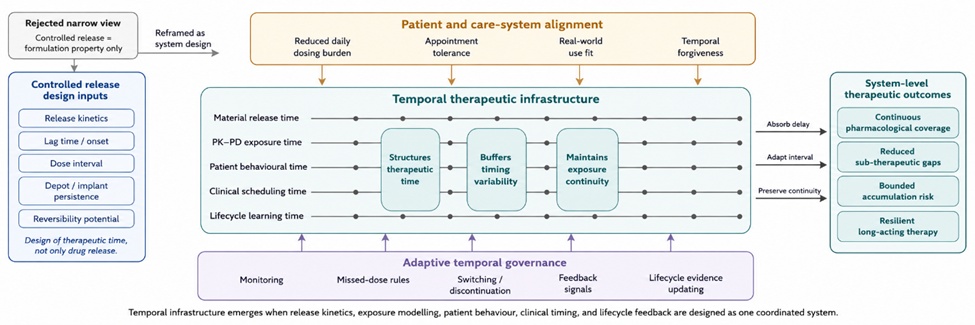
Figure 1. Controlled release as temporal therapeutic infrastructure for long-acting pharmaceutical technologies.
The framework also clarifies the role of chronotherapy and pulsatile delivery. Chronotherapeutic controlled release systems are explicit examples of temporal design because they aim to synchronise drug input with circadian rhythms, disease variation, or time-dependent therapeutic need [27]. However, the temporal infrastructure concept is broader than chronotherapy. It includes any controlled release system that structures treatment across time, even when the target is not a circadian rhythm. A depot antiretroviral, implantable contraceptive-antiretroviral platform, long-acting antipsychotic, or peptide depot may not be chronotherapeutic in a narrow sense, but it still constitutes temporal infrastructure because it organises continuity and action across extended intervals [5, 10-12, 14, 25].
The framework further shows why long-acting technologies require patient-centred systems design. A product that is pharmacokinetically elegant but unacceptable, inaccessible, painful, stigmatising, difficult to remove, or incompatible with patient routines may fail as infrastructure. The patient-centred industrial perspective on long-acting injectable and implantable platforms supports this point by highlighting acceptability, usability, and development considerations beyond release duration alone [4]. Similarly, the broader adherence literature shows that drug delivery innovation can reduce adherence barriers only when it is designed around lived treatment conditions [23].
The proposed theory identifies seven design principles for controlled release technologies considered as temporal therapeutic infrastructure: temporal fit, kinetic legibility, forgiveness, reversibility, continuity protection, feedback compatibility, and lifecycle adaptability. These principles are not intended as a replacement for established formulation science criteria. Rather, they provide a systems-level vocabulary for connecting formulation performance to therapeutic time.
Temporal fit means that the duration and rhythm of release should match the clinical problem, patient context, and care system. A long interval is not automatically superior. The correct interval is the one that aligns drug exposure with disease dynamics, safety requirements, behavioural burden, and feasible monitoring. For chronic conditions with stable exposure requirements, longer duration may reduce adherence burden. For conditions requiring rapid titration, shorter or more adjustable systems may be preferable. Temporal fit therefore requires alignment between technology, therapeutic objective, and real-world use.
Kinetic legibility means that the release profile should be interpretable, predictable, and clinically meaningful. Long-acting systems often involve complex mechanisms such as polymer erosion, diffusion, dissolution, depot behaviour, hydrogel transition, supramolecular assembly, or nanofluidic transport [1, 5-8, 15, 16, 24, 25]. Complexity is acceptable only when it can be translated into a legible temporal profile for developers, regulators, clinicians, and patients. In vitro release testing, in vitro–in vivo correlation, and modelling contribute to kinetic legibility by making the time course of exposure more understandable and justifiable [17-22].
Forgiveness means that the system can tolerate imperfect timing without immediate therapeutic failure. This is one of the central advantages of long-acting technologies, but it must be designed deliberately. Forgiveness may arise from residual exposure at the end of the interval, a gradual decline rather than abrupt cessation, a dosing window that allows delayed administration, or a release tail that protects against short disruptions. However, forgiveness must remain bounded. A system that persists too long may reduce clinical control, particularly when adverse events or treatment changes occur. Thus, the goal is not maximum persistence but appropriate buffering.
Reversibility means that the system allows exposure to be stopped, reduced, removed, or clinically managed when needed. This principle is especially important for implants, depots, and ultra-long-acting systems. Removable implants provide one route to reversibility, while biodegradable systems may reduce removal burden but limit direct retrieval once administered [1, 5-8]. Reversibility is a temporal safety property because it determines whether the system can adapt when the future differs from the assumptions made at administration.
Continuity protection means that the system is designed to avoid sub-therapeutic gaps, unsafe peaks, or uncontrolled accumulation across intended use. This principle connects release kinetics to pharmacodynamic coverage. For long-acting antiretroviral systems, continuity protection may be central to maintaining prevention or treatment efficacy and reducing vulnerability during declining drug exposure [10-12]. For long-acting antipsychotics, continuity protection may contribute to relapse prevention [14]. For peptide or chronic-disease systems, continuity protection may determine whether reduced dosing frequency translates into stable therapeutic benefit [9, 25].
Feedback compatibility means that the technology can be monitored and adjusted through available clinical or patient feedback. A system does not need electronic sensing to be feedback-compatible. It must allow meaningful interpretation of response and provide pathways for adjustment. Pharmacokinetic monitoring, symptom tracking, adverse-event assessment, appointment history, and patient-reported experience may all function as feedback. Explicit feedback-controlled dosing systems demonstrate the theoretical importance of closing the loop between measured exposure and drug input [28], but conventional long-acting systems also require feedback loops if they are to remain safe and effective over time.
Lifecycle adaptability means that evidence from development, translation, and real-world use should inform ongoing improvement. Long-acting technologies face known challenges in predicting release across in vitro, preclinical, and clinical settings [17-22]. A lifecycle approach recognises that temporal performance may vary across populations, administration contexts, manufacturing changes, and use conditions. Controlled release infrastructure should therefore be designed with mechanisms for learning and adjustment.
Table 4 summarises the seven design principles and their implications for pharmaceutical development.
Table 4. Design principles for controlled release technologies reconceptualised as temporal therapeutic infrastructure for long-acting pharmaceutical systems
Design principle | Definition | Development question | Evidence or design implication |
Temporal fit | Alignment between release duration, disease dynamics, patient routines, and care-system capacity | Does the intended interval solve a real temporal problem without creating new timing vulnerabilities? | Compare dosing interval with disease progression, monitoring needs, clinic access, and patient preference |
Kinetic legibility | Predictability and interpretability of the release and exposure profile | Can the release profile be explained, tested, modelled, and translated into clinical timing decisions? | Use robust in vitro release methods, in vitro–in vivo correlation, pharmacokinetic modelling, and clear interval justification [17-22] |
Forgiveness | Capacity to tolerate delayed or imperfect action without immediate loss of therapeutic function | How much delay or deviation can the system absorb while maintaining coverage? | Define dosing windows, end-of-interval exposure, residual protection, and missed-visit management |
Reversibility | Capacity to stop, remove, reduce, or clinically manage persistent exposure | What happens if therapy must be discontinued or changed before the designed interval ends? | Consider removability, degradation time, drug tail, rescue strategies, and switching protocols [1, 5-8] |
Continuity protection | Prevention of sub-therapeutic gaps, unsafe peaks, or accumulation across the treatment interval | Does the system maintain clinically meaningful exposure throughout initiation, maintenance, delay, and transition phases? | Use exposure-response modelling, threshold analysis, and scenario testing for delayed administration or discontinuation [10-12, 14, 19-22] |
Feedback compatibility | Ability to interpret patient, clinical, or pharmacological signals and adjust the system | What feedback can indicate whether the temporal system is working or failing? | Integrate symptom review, drug-level data where appropriate, adverse-event monitoring, appointment tracking, and patient-reported outcomes [23, 28] |
Lifecycle adaptability | Capacity to revise assumptions and practices as real-world evidence accumulates | How will temporal performance be monitored and improved after initial development? | Link release testing, modelling, pharmacovigilance, manufacturing control, and patient experience over the product lifecycle [17, 18, 23] |
Patient behaviour is not external to controlled release design. It is one of the central conditions that long-acting technologies attempt to reorganise. Conventional adherence discussions often frame the patient as the source of deviation from the intended regimen. The temporal infrastructure view instead asks how pharmaceutical technologies can reduce unnecessary dependence on repeated patient action while preserving patient agency, acceptability, and safety.
The concept of temporal forgiveness is essential here. A forgiving therapeutic system does not collapse immediately when real life diverges from ideal dosing. Daily regimens with short pharmacological coverage may have limited forgiveness because missed doses can rapidly produce declining exposure. Long-acting systems can increase forgiveness by maintaining drug release after the administration event. This can reduce the consequences of forgetfulness, travel, stigma, routine disruption, mental health fluctuation, or competing life demands. The adherence literature supports the need for delivery systems that reduce patient burden rather than simply instructing patients to behave more consistently [23].
However, temporal forgiveness has two sides. It can protect continuity, but it can also conceal problems. A patient may appear adherent because a long-acting system continues to release drug, while dissatisfaction, adverse effects, or access barriers remain unresolved. A long pharmacokinetic tail may provide protection after delayed dosing, but it may also create a period of low-level exposure that requires careful management in some therapeutic areas. A depot may reduce daily burden but make dose adjustment slower. An implant may reduce repeated dosing but require a procedure for insertion or removal. Therefore, forgiveness must be designed as bounded resilience rather than indefinite persistence.
Patient behaviour alignment requires attention to multiple temporal scales. At the daily scale, long-acting systems may reduce the need for repeated medicine-taking. At the weekly or monthly scale, they may require planned visits, patch changes, device checks, or injection appointments. At the life-course scale, they may intersect with changing preferences, pregnancy planning, disease progression, travel, work patterns, insurance status, or healthcare access. A systems theory approach therefore treats adherence not as a fixed patient trait but as an emergent property of the interaction between technology, person, and care environment.
This interpretation has implications for patient-centred long-acting design. First, developers should identify which temporal burdens are being removed and which are being introduced. A monthly injection removes daily tablet-taking but introduces appointment dependence. A self-administered long-acting system may reduce clinic dependence but introduce training and handling requirements. A refillable implant may reduce repeated administration but introduce maintenance visits. These trade-offs should be explicit rather than assumed.
Second, design should consider how patients experience therapeutic time. Some patients may value not thinking about medication daily. Others may feel discomfort with a persistent drug depot or implant that cannot be easily stopped. Some may prefer a reversible system even if it requires more frequent action. Others may prefer maximum duration because access barriers make frequent care difficult. Patient-centred design therefore cannot be reduced to lower dosing frequency; it must include temporal preference, perceived control, trust, and acceptability [4, 23].
Third, behavioural alignment should be connected to clinical safety. A system that reduces patient action must include clear rules for delayed visits, missed appointments, adverse events, and discontinuation. The more autonomous the technology becomes, the more important it is to define the feedback and rescue pathways around it. Long-acting technologies should therefore be evaluated not only by whether patients like them, but by whether patients and clinicians can manage the temporal responsibilities they create.
The concept of temporal forgiveness also clarifies why long-acting systems are not simply adherence technologies. They are adherence redistribution technologies. They redistribute adherence from daily ingestion to less frequent but often higher-stakes events. Missing one daily tablet may be recoverable; missing a long-acting injection appointment near the end of coverage may create a larger temporal gap. Conversely, receiving one injection may protect exposure for a month or more. The temporal consequences of action are redistributed. This redistribution is precisely what makes long-acting technologies infrastructural.
If controlled release technologies are temporal therapeutic infrastructure, then development should include explicit risk anticipation across time. The relevant risks are not limited to formulation failure. They include temporal mismatch, delayed onset, end-of-interval decline, inadequate forgiveness, excessive persistence, poor reversibility, behavioural misalignment, and weak feedback pathways. These risks should be considered early because they are often built into the architecture of the technology.
The first stage of risk anticipation is defining the intended temporal claim. A long-acting product should specify not merely that it releases drug over an extended period, but what kind of therapeutic time it is designed to create. Is the aim to provide weekly convenience, monthly adherence support, multi-month prevention, circadian alignment, relapse protection, reduced injection frequency, or maintenance after induction? Each claim implies different evidence needs. A circadian or pulsatile claim requires evidence of phase-appropriate release [27]. A multi-month prevention claim requires evidence of sustained protective exposure across the full interval [10-12]. A chronic-disease depot claim requires evidence that exposure remains effective without unsafe accumulation [2, 9, 25]. A patient-centred adherence claim requires evidence that the technology reduces meaningful burden without introducing unacceptable new burdens [4, 23].
The second stage is translating release into exposure. In vitro release testing is critical, but it is not sufficient alone. The development pathway must establish how in vitro release relates to in vivo behaviour, pharmacokinetics, and therapeutic effect. Work on long-acting injectable suspensions shows the importance and difficulty of developing release testing methods and in vitro–in vivo correlations for these systems [17, 18]. Model-informed approaches and pharmacokinetic-pharmacodynamic modelling are equally important because they allow scenario testing across dose intervals, patient variability, and delayed administration [19-22].
The third stage is testing temporal scenarios rather than only ideal schedules. Long-acting systems should be evaluated under conditions that represent realistic timing deviations. These may include delayed injection, missed refill, prolonged interval, early discontinuation, dose switching, initiation lag, bridging therapy, and repeated dosing accumulation. Scenario testing helps determine whether the system is forgiving, fragile, or rigid. It also supports practical clinical instructions because patients and clinicians need to know what to do when timing deviates.
The fourth stage is integrating patient and care-system constraints. Long-acting pharmaceutical technologies are often promoted for adherence advantages, but adherence benefits depend on access, preference, acceptability, administration logistics, and trust. Development should therefore include patient-centred assessment of temporal burden. The key question is not simply whether patients prefer fewer doses, but whether the full temporal arrangement is acceptable and manageable. This includes administration frequency, appointment flexibility, procedure burden, removability, visibility, stigma, and monitoring expectations [4, 23].
The fifth stage is lifecycle temporal learning. Long-acting technologies may behave differently across populations, administration settings, product batches, and real-world conditions. Therefore, evidence generation should not end at initial approval or launch. In vitro release methods, modelling assumptions, patient experience, pharmacovigilance data, and clinical outcomes should be used to refine understanding of temporal performance over time [17-23]. Lifecycle learning is especially important for systems with long exposure tails, complex release mechanisms, or limited reversibility.
This evidence pathway implies that controlled release development should include a temporal risk dossier. Such a dossier would not replace existing quality, safety, efficacy, or regulatory documentation. Instead, it would connect them through a system-level account of therapeutic time. It would identify the intended duration, onset, interval, variability tolerance, failure thresholds, patient responsibilities, monitoring signals, missed-dose rules, discontinuation strategy, and lifecycle learning plan. The dossier would make explicit what is often implicit: that long-acting technologies make claims about future therapeutic continuity.
This approach can also improve communication. Patients need to understand not only how a long-acting product is administered, but how long it works, what flexibility exists, what happens if appointments are missed, whether it can be stopped, and how side effects will be managed. Clinicians need clear temporal rules for initiation, maintenance, delay, switching, and discontinuation. Developers need evidence that release kinetics support these rules. Regulators need justification that temporal claims are reliable. A temporal infrastructure framework aligns these stakeholders around the same core question: how is therapeutic time being controlled?
Controlled release technologies have long been central to pharmaceutical innovation, but their theoretical interpretation remains too narrow when they are treated only as dosage forms or release mechanisms. This article has argued that long-acting pharmaceutical technologies should be reconceptualised as temporal therapeutic infrastructure. They structure therapeutic time, redistribute adherence labour, buffer behavioural and logistical variability, and sustain pharmacological continuity across intervals that would otherwise depend on repeated patient action.
The proposed systems theory framework shifts attention from duration alone to continuity, forgiveness, feedback, reversibility, and lifecycle adaptability. A long-acting system is not successful merely because it releases drug for a long period. It is successful when its release profile, pharmacokinetic-pharmacodynamic behaviour, patient fit, clinical schedule, and monitoring pathways combine to maintain therapeutic function under real-world conditions. This distinction is essential because long duration without temporal fit can create rigidity, while well-designed controlled release can create resilient continuity.
The framework also reframes adherence. Long-acting technologies should not be described simply as solutions to patient non-adherence. They are systems that redistribute temporal responsibility between patients, clinicians, formulations, devices, and care infrastructures. This redistribution can reduce daily burden and protect continuity, but it can also introduce new dependencies on appointments, procedures, monitoring, reversibility, and trust. Patient-centred design must therefore evaluate the full temporal arrangement, not only dosing frequency.
For pharmaceutical development, the concept of temporal therapeutic infrastructure suggests a practical pathway: define the intended temporal claim; translate release into clinically meaningful exposure; test realistic timing deviations; assess patient and care-system alignment; and build lifecycle learning into the technology. These steps can strengthen the development of depot injections, implants, microneedle systems, refillable platforms, long-acting suspensions, polymer systems, and chronotherapeutic formulations.
None
None
None
None
Open Access The author(s) retain copyright. This article is licensed under the Creative Commons Attribution-NonCommercial-ShareAlike 4.0 International License. It may be shared and adapted for non-commercial purposes with appropriate attribution, an indication of changes, and distribution of adaptations under the same license. Third-party material may be subject to separate terms identified in its credit line. View the license at https://creativecommons.org/licenses/by-nc-sa/4.0/.
 Publication System