Personalized medicine has transformed how disease risk, diagnosis, and therapeutic selection are conceptualised, yet the pharmaceutical products used to deliver many therapies remain comparatively static. In many clinical settings, personalization still means selecting a drug more precisely while administering it through conventional dosage forms. This creates a widening gap between diagnostic sophistication and pharmaceutical responsiveness. The prevailing interpretation of personalized pharmaceutics is often reduced to customized dosing. Dose adjustment is important, but it cannot by itself address fluctuating physiology, variable adherence, lifestyle change, disease progression, or treatment-emergent toxicity. A patient’s therapeutic need is not a fixed parameter but a moving target. This conceptual review reframes personalized pharmaceutics as the design of adaptive therapeutic systems. Such systems are not merely individualized at the point of prescription or manufacture; they sense, respond, and evolve with the patient over time. The central argument is that pharmaceutical technology must move from static customization toward dynamic therapeutic adaptation. The analysis shows that customized dosing addresses only one layer of patient variability, whereas adaptive therapeutic systems combine patient-specific design, feedback control, responsive materials, digital monitoring, and translational governance. Four tables clarify definitions, identify unresolved limits of dose-only personalization, describe representative adaptive systems, and map translation challenges. Together, these elements support a broader conceptual vocabulary for personalized pharmaceutics. Realising the full potential of personalized medicine requires pharmaceutical systems that co-evolve with the patient. The future of personalized pharmaceutics therefore depends not only on tailoring what dose is given, but on designing systems that can adapt when, how, where, and why therapy is delivered. This shift has implications for formulation science, device engineering, clinical trials, regulation, reimbursement, and patient participation.
Personalized medicine has matured from a largely aspirational concept into a clinical logic that links patient heterogeneity with therapeutic choice. Precision dosing has shown that individual drug exposure can be improved when pharmacokinetic, pharmacodynamic, genomic, and clinical variables are incorporated into therapeutic decision-making [1]. Yet Peck’s argument that precision medicine is “not just genomics” also highlights a persistent limitation: many pharmaceutical interventions remain organized around standardized products whose adaptability ends once the dose is selected [2]. This disconnect is especially visible when diagnostics identify fine-grained biological differences but treatment is still delivered through relatively crude pharmaceutical formats.
The development of 3D-printed dosage forms has expanded the imagination of patient-specific pharmaceutics by making individualized dose combinations, release profiles, and geometries technically plausible [3]. Subsequent reviews of pharmaceutical printing have emphasised that additive manufacturing can reshape drug development and enable more flexible production of personalized dosage forms [4]. However, even sophisticated printed medicines may remain static if they only encode patient information at the point of manufacture. The central challenge is therefore not personalization alone, but whether the product can remain responsive after it enters the patient’s life.
Drug delivery research has also moved toward systems that combine formulation, device, biomarker, and software functions. Wang and colleagues describe emerging 3D printing technologies for drug delivery devices as part of a broader movement toward configurable pharmaceutical platforms [5]. In parallel, smart nanocarrier research has advanced systems that respond to endogenous or exogenous stimuli in cancer therapy, suggesting that pharmaceutical products can be designed as conditional rather than fixed interventions [6]. These developments provide the technical basis for rethinking personalized pharmaceutics as a dynamic systems discipline.
This mini-review argues that personalized pharmaceutics should be framed as the design of adaptive therapeutic systems rather than as customized dosing alone. The argument builds on precision dosing, 3D printing, smart drug delivery, glucose-responsive insulin platforms, digital twins, and clinical trial innovation [7-9]. The purpose is conceptual: to clarify how adaptive systems differ from dose adjustment, why the distinction matters, and what scientific and translational pathways are required. The review therefore synthesises current literature to propose a forward-looking framework for pharmaceutical technologies that sense, respond, and evolve with patients.
Personalized medicine traditionally refers to the selection or adjustment of therapy according to individual characteristics such as genotype, phenotype, clinical history, or biomarker profile. Model-informed precision dosing operationalises this logic by using quantitative models to individualize drug exposure, especially where therapeutic windows are narrow or variability is clinically consequential [1]. Personalized pharmaceutics extends the idea from drug selection and dose selection to the design of the dosage form, delivery platform, and release behaviour. The conceptual tension is that personalization can be static, while adaptation implies continuous modification in response to changing patient states.
Theranostic platforms introduced a more integrated way of thinking by linking diagnosis and therapy within a shared clinical or technological architecture. Personalized cancer vaccines illustrate this integration because tumour-specific information can guide the design of individualized immunotherapeutic products [10]. Blass and Ott describe neoantigen-based therapeutic vaccines as a rapidly developing field in which patient-specific molecular data shape the therapeutic construct itself [11]. However, these approaches are often individualized before administration rather than continuously adjusted after administration.
Traditional pharmaceutical technology has generally prioritized reproducibility, stability, scalability, and population-level quality. Reviews of pharmaceutical 3D printing show how the field has challenged this model by enabling small-batch, on-demand, and patient-specific production [12]. More recent analyses of precise drug delivery through 3D printing also frame personalization as a manufacturing and design challenge rather than only a prescribing decision [13]. Table 1 outlines the key concepts and definitions that distinguish adaptive therapeutic systems from customized dosing.
Table 1. Key Definitions: Customized Dosing, Personalized Pharmaceutics, and Adaptive Therapeutic Systems
Concept | Core definition | Primary unit of personalization | Temporal behaviour | Representative enabling technologies | Main limitation or opportunity |
Customized dosing | Adjustment of dose amount, interval, or regimen to improve exposure in an individual patient | Dose and schedule | Usually episodic or clinician-triggered | Therapeutic drug monitoring, pharmacokinetic modelling, pharmacogenomics | Improves exposure but may not respond to adherence, behaviour, or rapid physiological change |
Personalized pharmaceutics | Design or selection of a drug product according to patient-specific needs | Dosage form, drug combination, release profile, route, or formulation | Often individualized at manufacture or prescription | 3D printing, polypills, patient-specific formulations, theranostics | Expands customization beyond dose but may remain static after delivery |
Adaptive therapeutic systems | Integrated therapeutic platforms that sense, interpret, and respond to patient state over time | System behaviour, feedback loop, actuation logic, and therapeutic output | Dynamic, iterative, and feedback-driven | Sensors, responsive materials, closed-loop pumps, AI, digital twins, smart carriers | Enables continuous adaptation but raises regulatory, clinical, manufacturing, and data governance challenges |
Patient-specific design | Incorporation of individual biological, behavioural, and preference data into system development | Design parameters and user-system fit | May be static or adaptive depending on implementation | Genomics, proteomics, monitoring data, co-design, in silico modelling | Can improve relevance and acceptability if linked to real-world use |
Technology-integrated therapy | Convergence of pharmaceutical, device, diagnostic, and digital components into a therapeutic platform | Interoperable therapeutic ecosystem | Potentially adaptive if connected to feedback | Wearables, implants, software, microelectronics, digital therapeutics | Requires coordination across traditionally separate regulatory and development pathways |
The distinction between “personalized” and “adaptive” is therefore foundational. A personalized dosage form may reflect a patient’s characteristics at a specific moment, whereas an adaptive system modifies therapeutic behaviour as those characteristics change. Digital twins sharpen this distinction by creating computational representations that can be updated with patient-specific data over time [8]. In pharmaceutical terms, the future opportunity lies in connecting individualized product design with feedback-guided therapeutic operation.
The logic of personalized pharmaceutics emerged from the recognition that population-average products and regimens cannot fully accommodate inter-patient variability. Precision dosing literature has formalised this problem by showing how drug exposure depends on covariates such as organ function, age, body size, interacting medicines, and disease state [2]. Darwich and colleagues describe model-informed precision dosing as a forward trajectory for individualizing therapy, especially when quantitative models are clinically validated and implemented [1]. This logic places the patient, rather than the population mean, at the centre of pharmaceutical decision-making.
Pharmaceutical 3D printing translated this patient-centred logic into product design. Zema and colleagues framed three-dimensional printing as a route toward personalized therapy because it can generate dosage forms with individualized dose strengths and release characteristics [3]. Palo and colleagues similarly identified 3D-printed drug delivery devices as promising but technically challenging platforms for personalized medicines [14]. In this view, personalization is achieved by converting patient requirements into manufacturable pharmaceutical attributes.
The concept then expanded from single customized products to multifunctional dosage forms and polypills. Reviews by Awad and colleagues and Afsana and colleagues describe how 3D printing can support flexible drug combinations, geometry-dependent release, and tailored administration formats [4, 15]. Dumpa and colleagues further show that hot-melt extrusion-based fused deposition modelling has become a major pathway for personalized drug delivery development [16]. The underlying assumption is that if the dosage form better matches the patient’s needs, therapeutic performance will improve.
This logic is also visible in oncology, where therapeutic personalization increasingly begins with molecular information. Personalized cancer vaccine development uses tumour-specific antigens to design products that are biologically matched to the individual patient [10]. Shemesh and colleagues describe a clinical landscape in which personalized vaccines create opportunities but also expose manufacturing, timing, and validation challenges [17]. Fritah and colleagues similarly show that individualized vaccine platforms are promising but must be translated through complex clinical and production pathways [18].
Customized dosing is clinically valuable, but it addresses only a narrow part of the therapeutic system. Antibiotic precision dosing illustrates this well because therapeutic drug monitoring and model-informed approaches can improve target attainment, yet they still depend on sampling frequency, model quality, changing infection dynamics, and implementation capacity [19]. Software tools for model-informed dosing can support clinical decisions, but Kantasiripitak and colleagues show that such tools vary in how well they satisfy practical clinical needs [20]. Dose personalization therefore improves decision-making without necessarily transforming the delivery system itself.
A dose-only approach also struggles with temporal variability. Renal function, inflammation, gastrointestinal absorption, physical activity, diet, and adherence may shift between clinical encounters, altering exposure after the prescribed regimen has been optimized. Minichmayr and colleagues describe model-informed precision dosing as advancing rapidly, but also as requiring stronger implementation pathways and broader integration into routine care [21]. This suggests that dose selection is not a final solution; it is one control point in a dynamic therapeutic process.
The limits of customized dosing are especially apparent when the delivery platform cannot detect or respond to changing physiology. Glucose-responsive insulin systems were developed precisely because fixed insulin dosing cannot reliably match rapidly changing glucose needs, meal patterns, and activity levels [7]. Stimuli-responsive insulin delivery devices similarly aim to link therapeutic release to physiological demand rather than to a static regimen [22]. Table 2 summarises the limitations of dose-only personalization and the clinical needs that remain unmet.
Table 2. Limitations of Customized Dosing: Unresolved Patient-Level Variability and Therapeutic Gaps
Limitation of dose-only personalization | Why dose adjustment is insufficient | Patient-level variability left unresolved | Clinical need created | Adaptive-system response |
Day-to-day physiological fluctuation | A prescribed dose reflects an estimate made at one time point | Renal function, inflammation, glucose, circadian rhythms, stress, activity | Real-time or near-real-time therapeutic modulation | Sensor-linked feedback and responsive release |
Variable adherence and behaviour | Dose optimization assumes that the patient follows the regimen | Missed doses, delayed administration, diet, exercise, sleep disruption | Systems that monitor use context and reduce behavioural burden | Wearables, connected devices, reminders, automated delivery |
Narrow therapeutic windows | Small exposure changes can cause toxicity or failure | Organ dysfunction, interacting drugs, disease progression | Continuous exposure management rather than episodic adjustment | Model-informed closed-loop control |
Static manufactured products | A dosage form cannot change once manufactured | Evolving disease state, changing tolerability, altered treatment goals | Reconfigurable or programmable therapeutic platforms | Smart implants, refillable reservoirs, programmable pumps |
Fragmented clinical data | Prescribing decisions use incomplete or delayed information | Genomics, biomarkers, real-world monitoring, patient preferences | Integration of longitudinal patient data into therapy | Digital twins and adaptive decision support |
Translation and reimbursement mismatch | Health systems pay for products and encounters, not adaptation | Long-term benefit, reduced toxicity, individualized response trajectories | Evidence models that value system-level performance | N-of-1 trials, platform trials, outcomes-based reimbursement |
Another limitation is that dose customization does not automatically improve patient experience or therapeutic usability. Stimuli-responsive microneedles show how patient-centred delivery may require a demand-supply strategy that integrates release behaviour, route of administration, and user acceptability rather than simply changing dose [23]. N-of-1 trial methodology reinforces this critique because individual therapeutic response may need structured, repeated evaluation within the same patient rather than one-time personalization [9]. Customized dosing is therefore necessary but insufficient for a mature model of personalized pharmaceutics.
Adaptive therapeutic systems can be defined as integrated pharmaceutical platforms that modify therapeutic delivery in response to patient-specific signals over time. Their defining feature is not simply personalization at the point of manufacture, but the presence of a feedback logic that links sensing, interpretation, and actuation. Smart closed-loop drug delivery systems exemplify this shift because they combine monitoring, control algorithms, and delivery mechanisms into a single therapeutic architecture [24]. In this sense, adaptivity turns the pharmaceutical product from a passive carrier into an active participant in therapy.
Closed-loop insulin delivery provides one of the clearest models for adaptive pharmaceutics. Glucose-responsive insulin systems aim to release or administer insulin according to measured glucose need rather than relying only on pre-set schedules [7]. Stimuli-responsive insulin delivery devices further show how materials and devices can be engineered to respond to physiological cues in ways that approximate endogenous regulation [22]. These systems reveal why adaptive delivery is conceptually different from dose customization: the system changes therapeutic output as patient state changes.
Smart nanocarriers extend the adaptive principle into oncology and other complex diseases. Hossen and colleagues describe nanocarrier systems that respond to tumour microenvironmental signals, enabling more selective release and reduced systemic toxicity [6]. Wang and colleagues similarly frame smart drug delivery systems as tools for precise cancer therapy because release can be controlled by pH, enzymes, redox state, temperature, light, or magnetic triggers [25]. Khan and colleagues show that recent progress in nanostructured smart systems is increasingly directed toward responsive, site-specific, and toxicity-sparing cancer therapy [26].
Adaptive therapeutic systems also include platforms in which the delivery route, device interface, and therapeutic actuation are co-designed. Stimuli-responsive microneedles illustrate how a minimally invasive platform can be designed to match release to biological demand while improving patient usability [23]. In advanced systems, feedback may come from implanted sensors, wearable monitors, biochemical assays, or computational models that infer therapeutic need from indirect data streams. Table 3 presents examples of adaptive therapeutic systems and their key features.
Table 3. Adaptive Therapeutic Systems in Practice: Platforms, Feedback Mechanisms, and Therapeutic Outcomes
Adaptive platform | Therapeutic area or use case | Feedback or response mechanism | Pharmaceutical or device component | Intended therapeutic outcome | Key translational concern |
Closed-loop insulin delivery | Diabetes management | Glucose sensing linked to insulin actuation | Pump, sensor, control algorithm, insulin reservoir | Improved glycaemic control with reduced hypo- and hyperglycaemia | Reliability, safety validation, user training, affordability |
Glucose-responsive insulin formulation | Diabetes management | Material response to local glucose concentration | Responsive polymer, vesicle, gel, or carrier | Demand-matched insulin release | Predictable kinetics and manufacturability |
Stimuli-responsive microneedle system | Chronic disease and metabolic therapy | Biomarker-, pH-, enzyme-, or glucose-sensitive release | Dissolving or responsive microneedle array | Less invasive, patient-friendly adaptive delivery | Skin variability, dose precision, scale-up |
Smart nanocarrier | Cancer therapy | Tumour microenvironment-triggered release | Nanoparticle, liposome, polymeric carrier, ligand system | Site-selective drug release and reduced systemic toxicity | Biodistribution, safety, reproducibility, regulatory classification |
Programmable implant or pump | Neurology, oncology, pain, endocrine disease | Pre-programmed or sensor-informed actuation | Implantable reservoir, actuator, software controller | Long-term adjustable delivery | Device maintenance, cybersecurity, replacement, reimbursement |
Digital twin-linked dosing system | Complex chronic disease or narrow therapeutic index therapy | Model-updated prediction of patient response | Computational twin, clinical data stream, decision-support system | Anticipatory therapy adjustment | Data quality, validation, clinician trust, governance |
The most important conceptual implication is that adaptive systems transform therapeutic time. Conventional products are designed, manufactured, prescribed, and administered as discrete events, whereas adaptive systems operate across longitudinal patient trajectories. Paci and colleagues’ discussion of smart closed-loop delivery systems positions this time-based responsiveness as central to future bioengineering and pharmaceutical development [24]. Adaptive pharmaceutics therefore requires not only better formulations, but better ways to connect formulations to patient signals, clinical objectives, and safety constraints.
Figure 1 illustrates the conceptual shift from static dose personalization to adaptive therapeutic systems that integrate patient-specific design, sensing, interpretation, actuation, and longitudinal feedback.
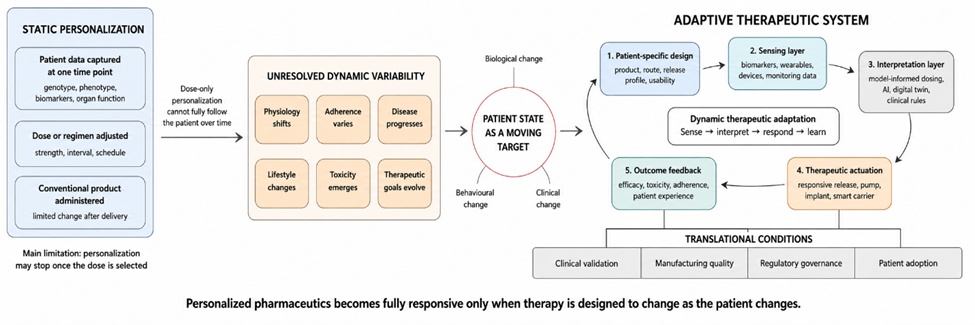
Figure 1. From Customized Dosing to Adaptive Therapeutic Systems in Personalized Pharmaceutics
Patient-specific design begins with the recognition that patients differ not only biologically but also behaviourally, socially, and technologically. Pharmaceutical 3D printing has made this design logic visible by allowing dose, shape, release rate, and drug combinations to be tailored to individual needs [5]. Serrano and colleagues extend this argument by linking 3D printing with personalized medicine, nanomedicines, and biopharmaceuticals, showing that personalization can occur across multiple product classes [27]. The design challenge is to translate heterogeneous patient data into systems that remain usable, safe, and clinically meaningful.
Digital twins provide a conceptual bridge between patient-specific design and adaptive operation. Kamel Boulos and Zhang describe digital twins as computational representations that can connect personalized medicine with broader precision health applications [8]. Fischer and colleagues further link digital patient twins with personalized therapeutics and pharmaceutical manufacturing, suggesting that patient models could inform both product design and therapeutic adjustment [28]. In adaptive pharmaceutics, the digital twin is not merely a simulation tool; it may become part of the therapeutic control architecture.
The promise of digital twins depends on the quality, continuity, and interpretability of patient data. Katsoulakis and colleagues describe digital twins for health as an emerging field that requires integration across modelling, data science, clinical workflows, and validation [29]. Coorey and colleagues illustrate this challenge in cardiovascular disease, where health digital twins must combine imaging, physiology, computation, and clinical context to become useful for decision-making [30]. For pharmaceutics, the implication is that patient-specific design must include data governance and clinical interpretability from the beginning.
Patient-centred design also requires attention to acceptability, burden, and lived experience. Personalized dosage forms such as polypills can simplify complex regimens, and recent work on 3D-printed polypills frames them as tools for precision oral delivery in pharmaceutical practice [31]. At the same time, patient-specific systems can fail if they are too complex, intrusive, expensive, or difficult to integrate into daily life. Adaptive pharmaceutics must therefore combine biological personalization with human-centred design, ensuring that therapeutic sophistication does not produce practical exclusion.
Adaptive therapeutic systems challenge conventional regulatory categories because they may combine drugs, devices, diagnostics, materials, algorithms, and data services. Pharmaceutical 3D printing already raises questions about quality control, decentralized manufacturing, and batch definition, particularly when products are individualized rather than mass produced [12]. Emerging reviews of 3D printing in pharmaceutics emphasize that technology and applications are advancing quickly, but regulatory and manufacturing frameworks must keep pace with this diversity [32]. Adaptive systems intensify this challenge because their performance may depend on behaviour after approval, not only on pre-market product specifications.
Clinical evaluation is also more complex for adaptive systems than for fixed pharmaceutical products. Personalized cancer vaccines demonstrate how individualized manufacturing timelines, patient-specific targets, and evolving immune responses complicate conventional trial designs [17]. Neoantigen-based vaccine development further shows that product identity may differ across patients even when the platform is shared [11]. These issues suggest that platform trials, N-of-1 designs, and model-informed evidence strategies may become increasingly important for adaptive pharmaceutics.
Manufacturing scalability is another translational bottleneck. Advanced Drug Delivery Reviews has highlighted recent advances and applications in pharmaceutical 3D printing, but individualized production still faces problems of process validation, reproducibility, material selection, and integration with clinical workflows [33]. Personalized polypills and precise printed dosage forms may be easier to scale than fully adaptive implants or closed-loop combination products, yet all require new models of quality assurance [13, 31]. Table 4 maps the clinical translation challenges and potential solutions for adaptive therapeutic systems.
Table 4. Clinical Translation Challenges and Enablers for Personalized, Adaptive Pharmaceutical Systems
Translation challenge | Why it matters for adaptive systems | Consequence if unresolved | Potential enabler | Relevant development milestone |
Regulatory classification | Systems may combine drug, device, diagnostic, software, and data functions | Unclear approval pathway and delayed translation | Early regulator engagement and combination-product frameworks | Agreed primary mode of action and lifecycle-change plan |
Evidence generation | Adaptive behaviour may vary across patients and time | Conventional trials may miss individualized benefit or risk | N-of-1 trials, platform trials, real-world evidence, model-informed evaluation | Validated endpoints for longitudinal adaptation |
Manufacturing quality | Patient-specific or decentralized production complicates batch control | Variability, safety concerns, and limited scalability | Digital quality systems, process analytics, standardized materials | Reproducible product specifications for individualized units |
Algorithm validation | Software may influence therapeutic actuation | Safety risk, bias, or clinician distrust | Locked and monitored algorithms, transparent validation, post-market surveillance | Predefined algorithm-change protocols |
Reimbursement | Adaptive value may accrue through avoided complications or long-term control | Payment systems may undervalue system performance | Outcomes-based reimbursement and bundled care models | Payer-accepted evidence of durable patient benefit |
Patient adoption | Complex systems can increase burden or inequity | Poor adherence, abandonment, or unequal access | Co-design, usability testing, training, support infrastructure | Demonstrated usability across diverse patient populations |
Data governance | Systems depend on sensitive longitudinal data | Privacy, cybersecurity, and interoperability failures | Secure standards, consent architecture, auditability | Interoperable, protected clinical data flows |
Reimbursement and implementation may ultimately determine whether adaptive pharmaceutics reaches patients. Model-informed dosing software shows that even evidence-based tools can struggle if they do not fit clinical needs, workflows, or decision responsibilities [20]. N-of-1 trials offer one route to evaluating individualized response, but Samuel and colleagues caution that their role in personalized medicine must be carefully defined rather than assumed [9]. Translation therefore requires regulatory, economic, clinical, and patient-facing infrastructures to mature together.
Adaptive therapeutic systems depend on convergence across pharmaceutical technology, materials science, microelectronics, computation, and clinical data infrastructure. Smart nanocarriers and stimuli-responsive materials provide conditional release mechanisms, while sensors and software provide the information architecture needed for feedback [24, 25]. Pharmaceutical printing adds a manufacturing layer that can create individualized geometries, drug combinations, and release profiles [4]. The future platform is therefore not a single technology, but a coordinated therapeutic ecosystem.
Artificial intelligence and model-based control can help convert patient data into therapeutic decisions. Model-informed precision dosing already demonstrates how quantitative models can guide individualized therapy, but adaptive systems require those models to operate closer to real time and in connection with delivery mechanisms [1, 21]. Digital twins extend this logic by creating patient-specific computational environments that may predict response before clinical deterioration occurs [8, 29]. The key challenge is to ensure that these computational layers are transparent, validated, and clinically accountable.
Interoperability is a scientific and safety requirement, not only a technical preference. Wearable sensors, pumps, electronic health records, digital twins, and pharmaceutical platforms must exchange data reliably if therapy is to adapt to patient state. Health digital twin research in cardiovascular disease shows how difficult it is to combine imaging, physiological signals, computational models, and clinical interpretation into a coherent system [30]. Adaptive pharmaceutics will need shared data standards, validated interfaces, and safeguards against fragmented or misleading data flows.
Cybersecurity and data governance become therapeutic concerns when software influences drug delivery. A compromised or poorly validated system could alter dose, timing, release, or clinical interpretation, making digital risk inseparable from pharmacological risk. Reviews of digital patient twins and personalized therapeutics highlight the importance of data quality, privacy, model updating, and manufacturing integration [28]. For adaptive pharmaceutics, trust will depend on demonstrating that connected systems are not only innovative, but resilient, auditable, and clinically governable.
The near-term pathway for adaptive pharmaceutics is likely to begin in therapeutic areas where the clinical need for feedback is already obvious. Diabetes is the clearest case because glucose-responsive insulin systems and closed-loop delivery directly address rapid physiological variability [7, 22]. Other early opportunities include narrow therapeutic index drugs, antibiotics requiring therapeutic drug monitoring, pain management, and neurological disorders where programmable delivery can reduce fluctuations [19]. These areas provide strong justification for adaptive systems because static dosing visibly fails to capture changing therapeutic demand.
The mid-term pathway should expand toward oncology, transplantation, immunotherapy, and complex chronic disease. Personalized cancer vaccines show how patient-specific biological information can shape therapeutic products, while smart nanocarriers point toward release systems that respond to disease microenvironments [6, 10, 17]. In transplantation or immunosuppression, model-informed precision dosing and digital monitoring could support adaptive control where underexposure and overexposure both carry serious risks [21]. These fields will require evidence models that can evaluate individualized benefit without losing platform-level generalizability.
The long-term vision is a pharmaceutical ecosystem in which adaptive behaviour becomes a normal design expectation rather than a specialized feature. 3D printing, digital twins, smart materials, closed-loop systems, and patient-centred design could converge into therapeutic platforms that are manufactured, monitored, updated, and reimbursed as longitudinal systems [5, 29, 33]. Achieving this vision will require common validation standards, ethical data governance, interoperable infrastructure, and regulatory pathways that support responsible system evolution. The most important milestone is conceptual as much as technical: personalized pharmaceutics must be understood as adaptive therapeutic design.
Figure 2 presents a staged translation pathway through which personalized pharmaceutics can progress from patient-specific design and enabling technologies to clinically validated, governable, and reimbursable adaptive therapeutic systems.
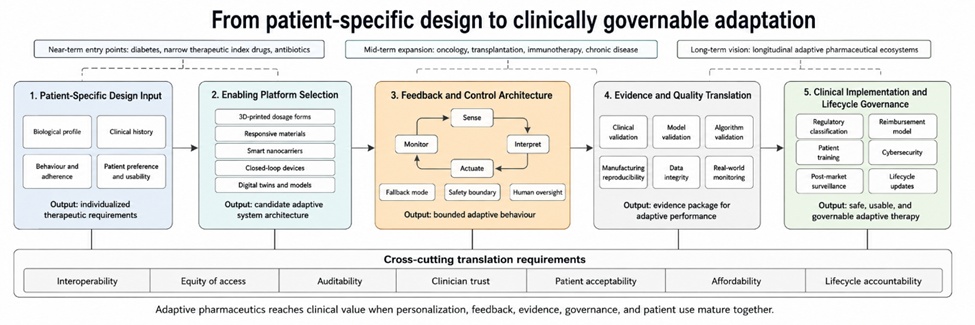
Figure 2. Translation Pathway for Personalized Adaptive Pharmaceutical Systems
Personalized pharmaceutics should no longer be understood as the mere adjustment of dose to an individual patient. Dose customization remains clinically important, but it cannot fully address the dynamic variability of physiology, behaviour, disease progression, and treatment context. A more complete vision requires pharmaceutical systems that can sense, respond, and evolve over time.
Adaptive therapeutic systems provide that broader framework. They integrate patient-specific design, responsive materials, sensors, software, feedback control, and clinical governance into platforms that behave dynamically rather than statically. This reframing shifts the field from product customization toward therapeutic system design.
The future of personalized medicine depends on closing the gap between diagnostic precision and pharmaceutical responsiveness. To do so, researchers, clinicians, regulators, manufacturers, payers, and patients must work together to develop adaptive systems that are safe, usable, equitable, and clinically valuable. Personalized pharmaceutics will reach its full promise when therapies are designed not only for the patient, but with the capacity to change as the patient changes.
None
None
None
None
Open Access The author(s) retain copyright. This article is licensed under the Creative Commons Attribution-NonCommercial-ShareAlike 4.0 International License. It may be shared and adapted for non-commercial purposes with appropriate attribution, an indication of changes, and distribution of adaptations under the same license. Third-party material may be subject to separate terms identified in its credit line. View the license at https://creativecommons.org/licenses/by-nc-sa/4.0/.
 Publication System